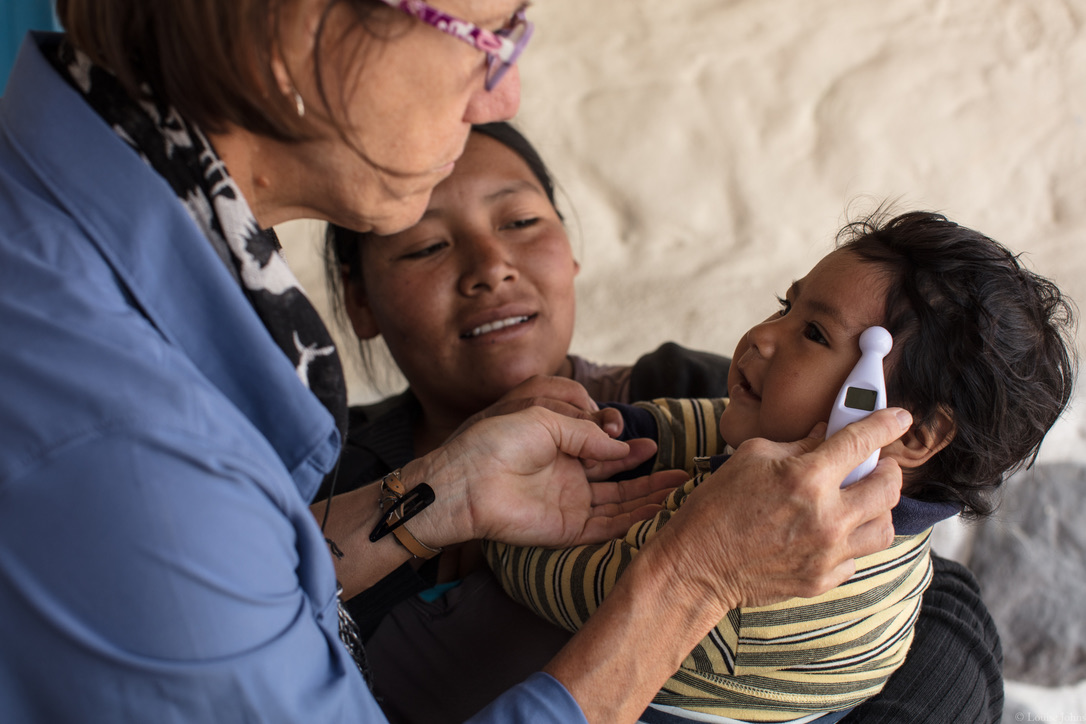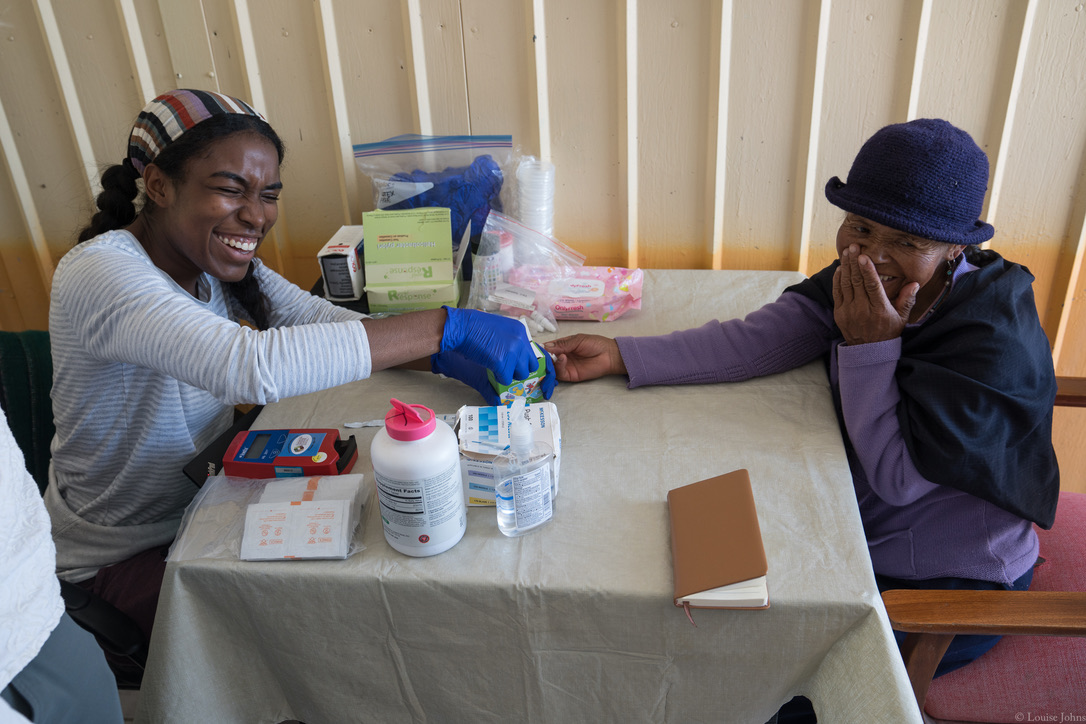
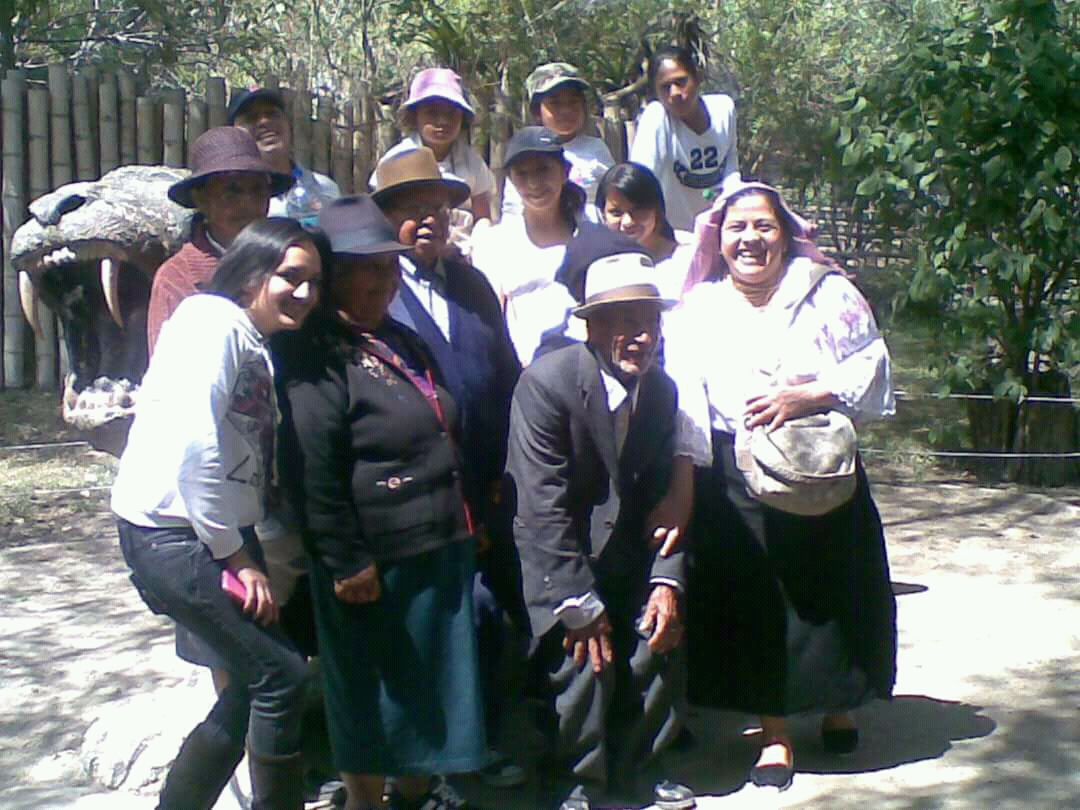
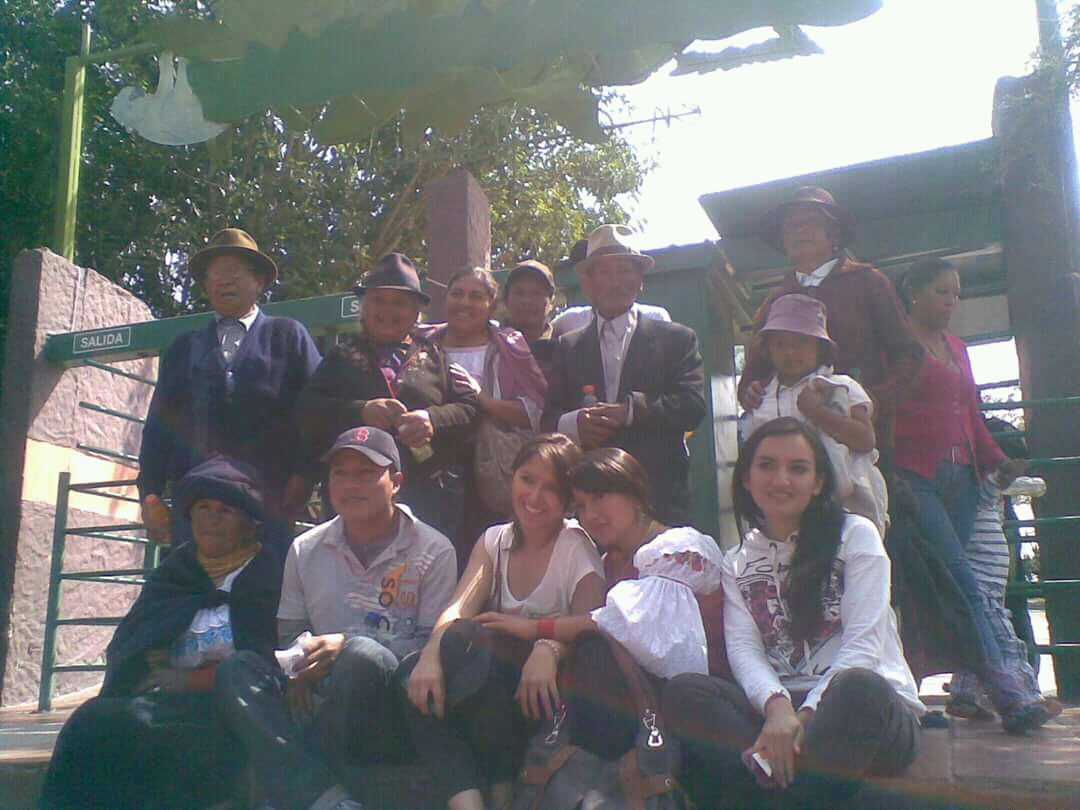
Through our health care program, The Tandana Foundation aims to improve rural community members’ access to basic health care and support local rural health professionals in caring for their population. Tandana’s health care work has two stages: community visits by groups that include North American health care providers and follow up after these visits.
Our community visits are made possible through our Health Care Volunteer Vacation program twice a year and by custom programs we coordinate for medical or pharmacy schools when possible. Volunteers including doctors, P.A.s, and willing assistants sign up for these programs and spend one or two weeks in Ecuador. Together with Tandana staff and local professionals including interpreters and a dentist, these groups visit various communities in the canton of Otavalo. We coordinate with the Ecuadorian Consulates in the United States, the Ministry of Public Health in Quito, the Provincial Director of Health in Ibarra, the Otavalo Hospital, the Director of Public Health for the Municipality of Otavalo, the Quinchinche and Gualsaqui Subcentros, the Mojandita Health Center, and the Union of Indigenous Communities of Quichinche. We have seen over 3,500 patients since we began the program in 2007.
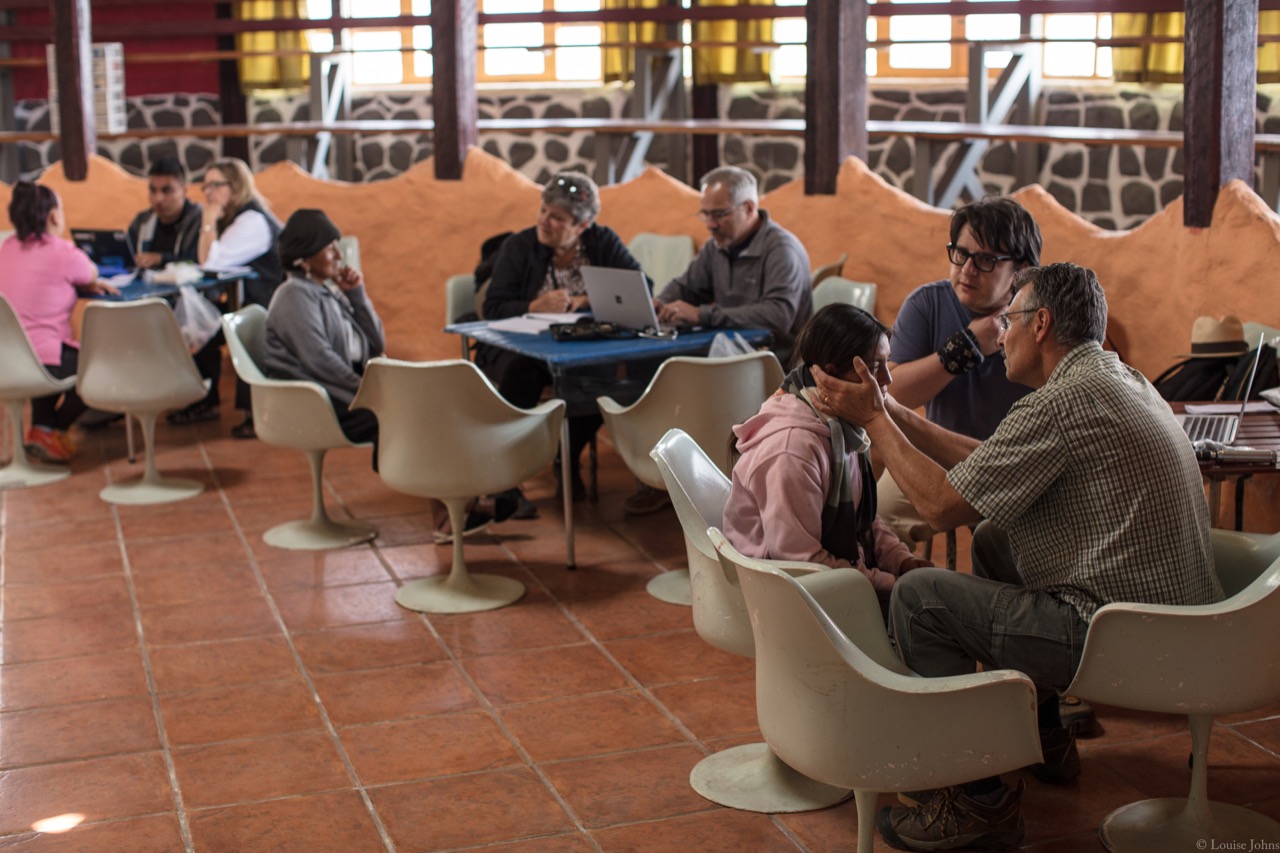
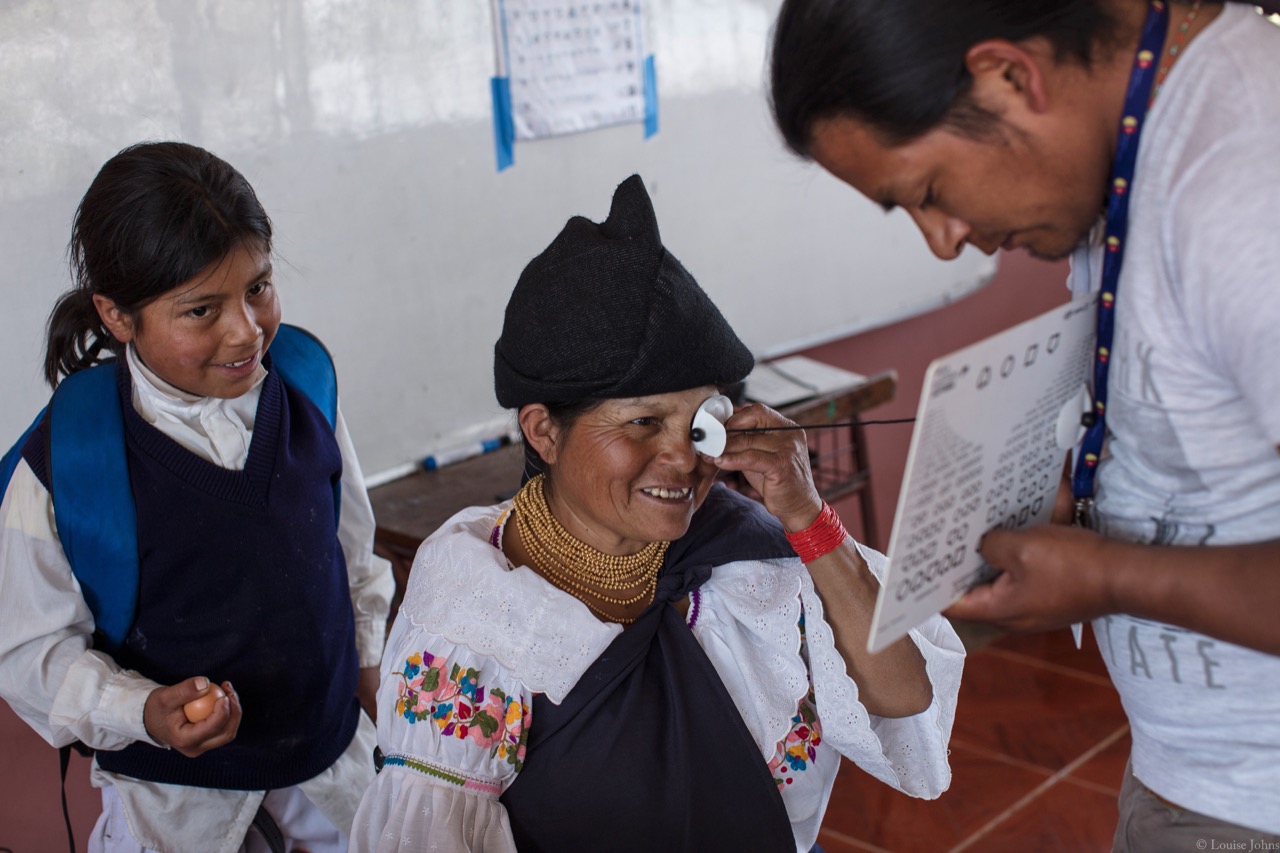
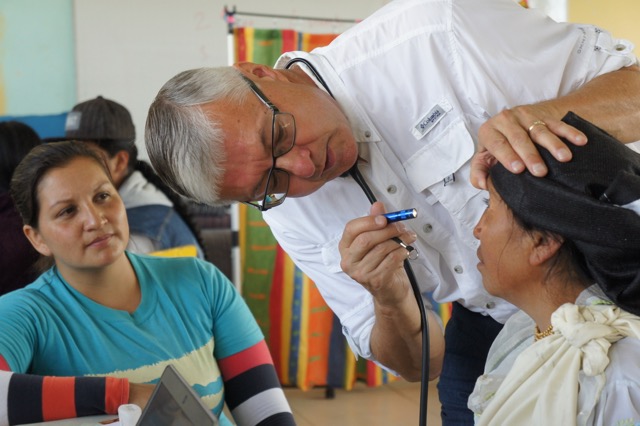
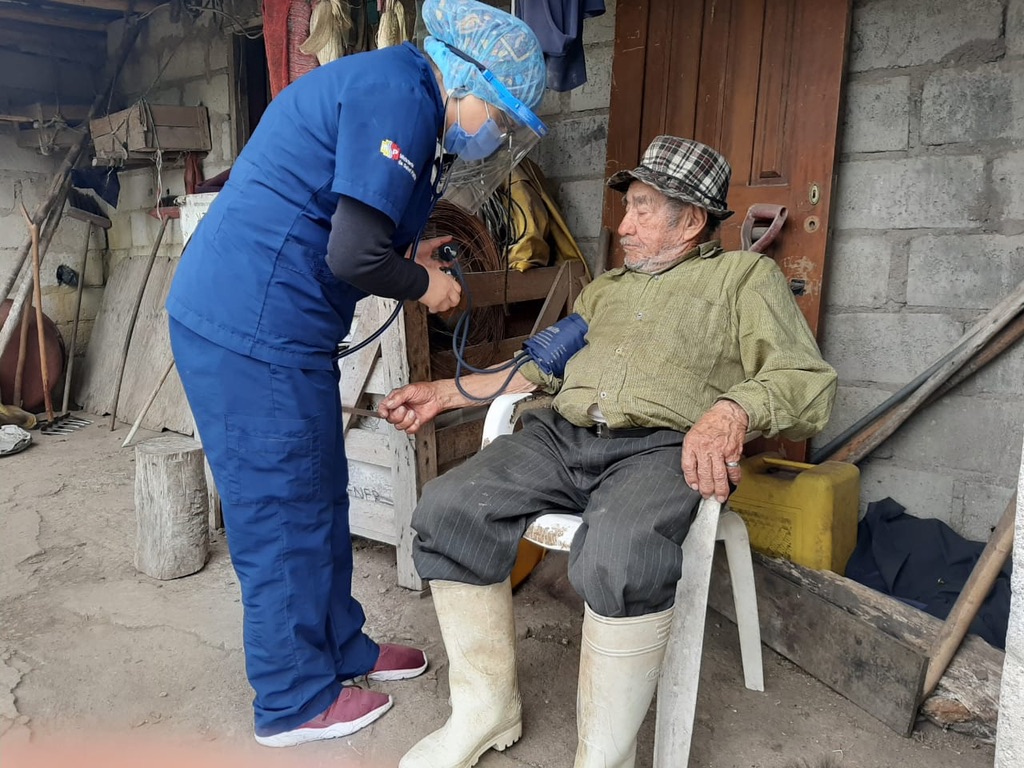
Our Health Care Volunteer Vacation groups work mostly in communities pertaining to the Quichinche Subcentro. We coordinate and share information with the Subcentro, but we visit the communities on our own and arrange the dates with the community presidents or schools who invite us. When patients arrive at the school, community center, health center, or home where we are working, Tandana staff and volunteers take their names, ask basic questions, and take vitals, preparing them to see the health care providers. Working with interpreters, the providers examine the patients, make diagnoses, and prescribe medications from our portable pharmacy. We ask a contribution of 50 cents per family for the medications in order to encourage patients to take responsibility for their health and to help them value the medicines we are giving them. A nurse performs basic laboratory tests, such as those for H. pylori, urinalysis, pregnancy, and streptococcus, on the spot and does ear cleanings as necessary. A local dentist uses our portable dental equipment to fill cavities, extract teeth, and do other dental work. We also provide reading glasses to those who need them. Our providers fill out referral forms for any patients they feel need additional care, tests, or specialists. When time and human resources permit, we also give educational talks on such topics as nutrition and family planning. We keep records from each visit so that as patients return to us we have their history available. At schools, we also weigh and measure the children, a nurse listens to their hearts and lungs, and we provide parasite medication if the children have not received it within 6 months of our visit.
The custom group programs are slightly different. Typically, a medical school sends two providers and a number of students to work with Tandana for one week. At the request of the personnel of the Gualsaqui Subcentro, we collaborate with them to visit the more distant communities that pertain to their Subcentro. The Subcentro staff are mandated to visit these communities regularly, but are given no funding to do so and have very limited supplies of medications. With Tandana’s help, they are able to fulfill their mission of providing care in these distant communities, from which access to the Subcentro is difficult. Each day, the visiting group, Tandana staff, and the nurses, dentist, and doctor from the Subcentro travel to one of the communities. The medical students check patients in, take basic history and vitals, work in our portable pharmacy, and assist the providers. The visiting licensed providers as well as the doctor from the Gualsaqui Subcentro examine and diagnose the patients and prescribe medications. The nurses from the Subcentro vaccinate children. Nurses and medical students also give health education talks. As in the Health Care Volunteer Vacations, the providers fill out Referral Forms for patients who need additional care.
The second phase of our health care work begins after the visits to the communities have taken place. The Tandana intern reviews the referral forms with the providers and makes a plan for where each of the patients needs to go. The intern communicates with the patients, arranges appointments, and advocates for them in the public health system. It is our goal that, through this process, patients learn how to use the system on their own.
The Tandana Foundation is committed to providing culturally- and individually- respectful care. Volunteers receive an orientation including an introduction to the local culture and a discussion of the cross-cultural aspects of our work. Our team always includes at least one fluent Kichwa speaker, and we take the time to listen to patients fully even while trying to be efficient so that we can see more patients. We promote a spirit of collaboration with local health care options, including both professionals in Western medicine and traditional healers such as shamans, yachaks, and sabios. We see our work as complementary rather than contradictory to that of traditional healers, and we make efforts to meet with, discuss with, and learn from local individuals with these specialties.