ARTGAB
Menu
  • External link opens in new tab or window
  • External link opens in new tab or window
  • External link opens in new tab or window
  • External link opens in new tab or window
  • External link opens in new tab or window
  • External link opens in new tab or window
  • External link opens in new tab or window
  • External link opens in new tab or window
  • External link opens in new tab or window
  • External link opens in new tab or window
  • External link opens in new tab or window
  • External link opens in new tab or windowClick to edit

Art Gallery of Professor William Girard

William Girard

June 8, 1940 - February 5, 2011


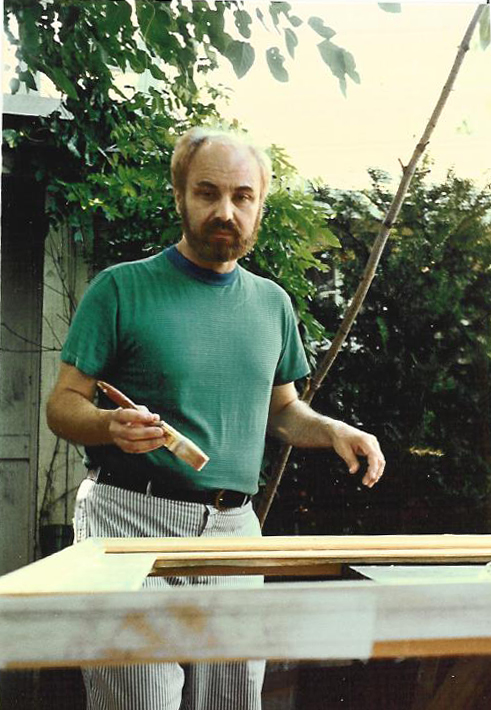
Bill Girard circa 1981


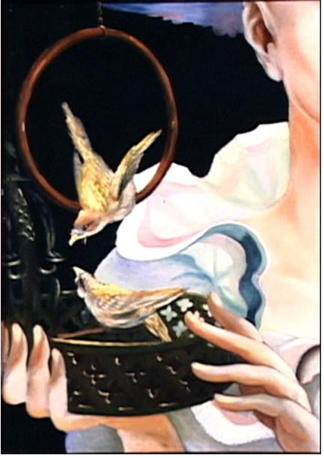
Professor of Art William Girard may be destined to be one of the greatest unknown fine artists ever to be born and die in metro Detroit.


Bill never wanted for buyers. They lined up to obtain his work. Galleries weren't his thing.

So Bill is largely unknown ... except to aficionados, friends, former students and art enthusiasts of exceptional taste and insight.

The examples captured in these External link opens in new tab or windowwebsite pages are only a small portion of the astonishingly lovely gift that Bill left us all.


He was a much loved - and just as frequently reviled - Professor of Art at the Center for Creative Studies (now the College for Creative Studies) in Detroit, Michigan, where he taught for 30 years.


Bill  swam against the art world tide. He was an autodidact with all of one semester's worth of post-secondary education.


Perhaps, with a bit of luck, Bill's oeuvre will become more widely available and appreciated.  Multiple pieces of his work were shown or mentioned in the Autumn 2010 issue of  the Detroit Home magazine  article "Made to Treasure" by George Bulanda (pages 10 -12).


Should you have any work by William Girard, or personal insights about the artist, you are invited to share them with us,  a small group of dedicated friends, collectors and admirers of the artist. Please contact External link opens in new tab or windowgsmnem@gmail.com and enter William Girard on the subject line.

The site host with William Girard @ 2003

Bill Girard and Glenn Michaels circa 2003


For more information about William Girard, see:

    •  External link opens in new tab or windowGirard? Girard Who? 
    • A letter in defense of the artist, written to the Dean of the Center for Creative Studies.
    • Comments About William Girard
    • Letters From William Girard
     
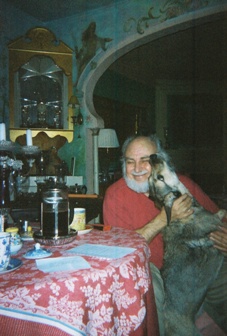
    William Girard with Willy circa 11/2009


    Bill Girard, with Mollie, at home. (Lilly Bell is hiding under the covers of Bill's bed on the second floor.) Circa 11/2009.


    Curator's Note


    Double-click an image to view it in a larger format.


    A fresher website, dedicated to Girard's work, can be found at External link opens in new tab or windowhttps:\\girardsvasari.com


    There is also a new blog: External link opens in new tab or windowhttps:\\girardsvasari.blogspot.com


    In a number of instances, that information will be more accurate and up-to-date than what may be found here.
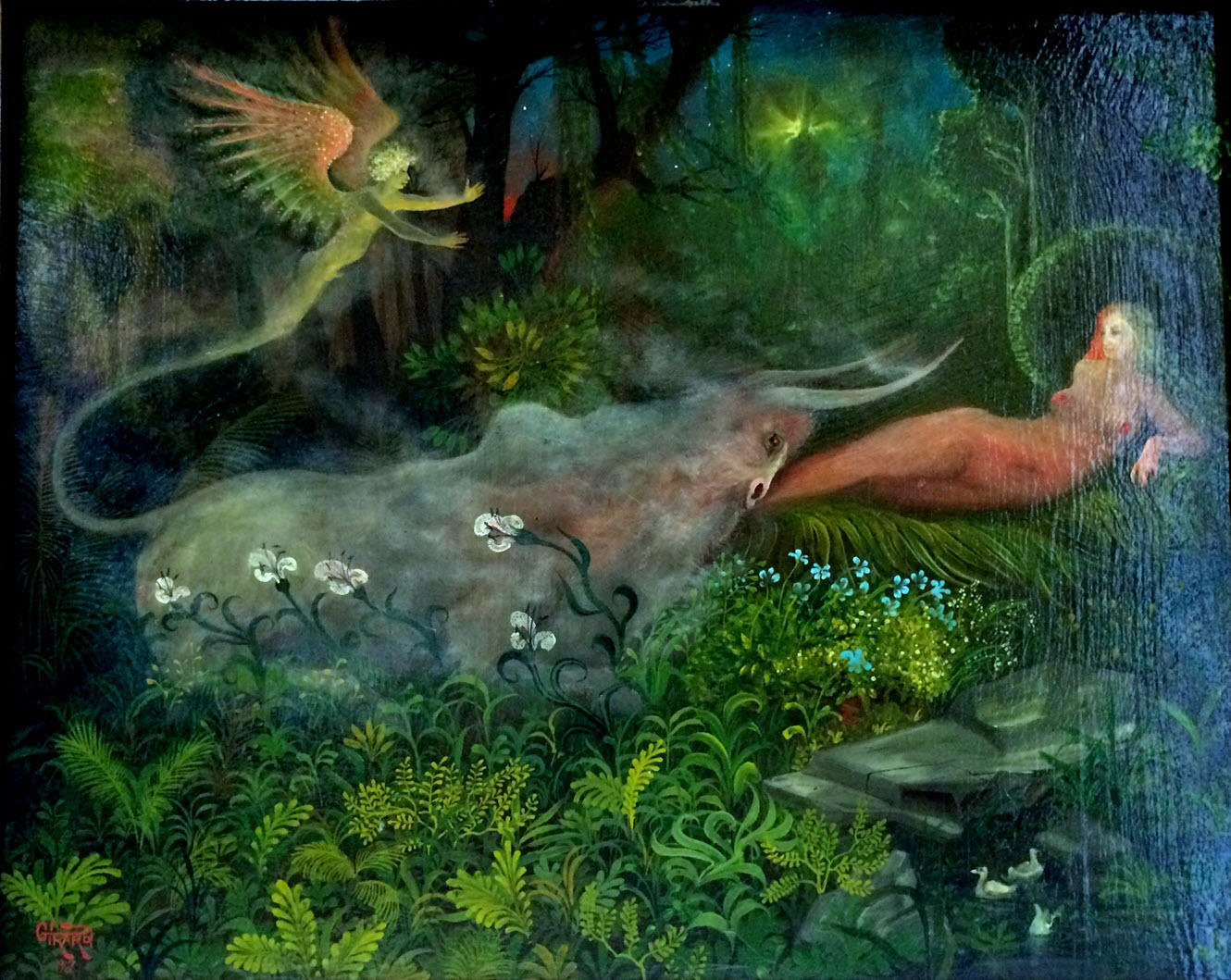
    The Troll King's Daughter
Artist: William Girard
Formerly the collection of Allen Abramson
Photo courtesy of Ken Weikal, Farmington Hills, MI.
    The Troll King's Daughter Artist: William Girard Formerly the collection of Allen Abramson Photo courtesy of Ken Weikal, Farmington Hills, MI.
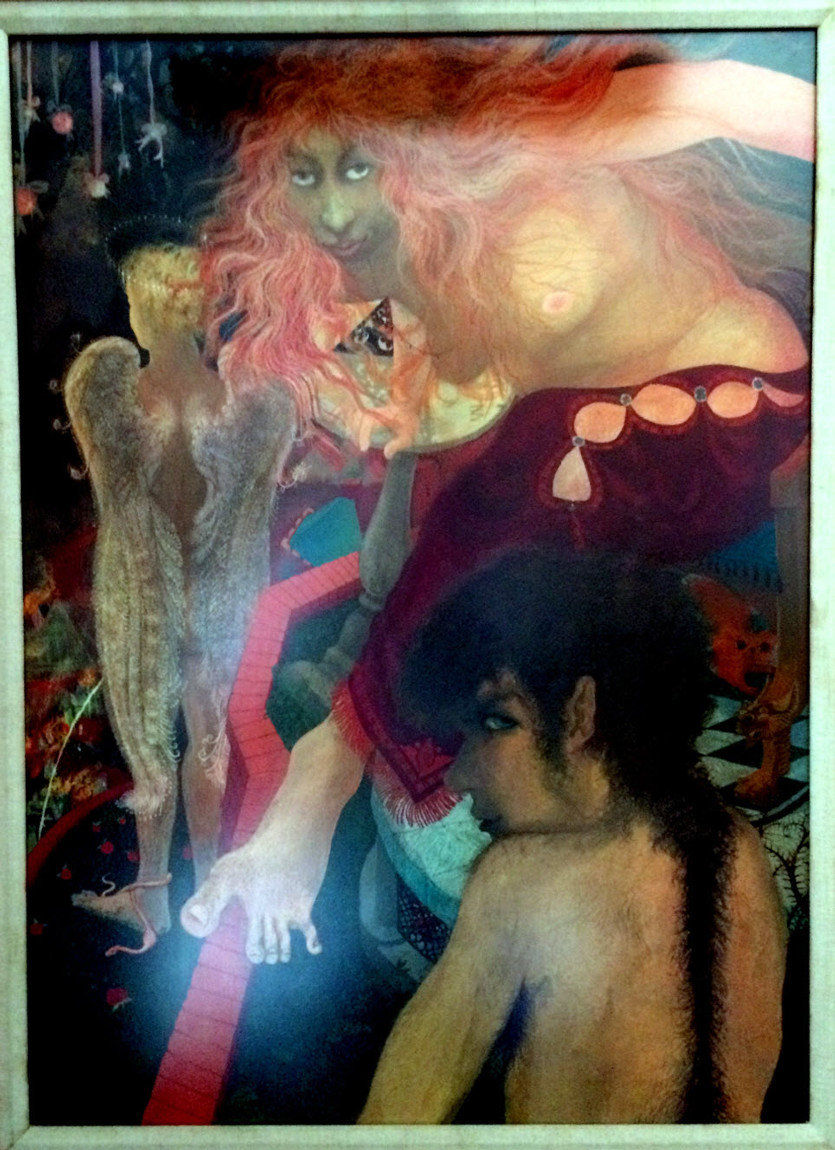
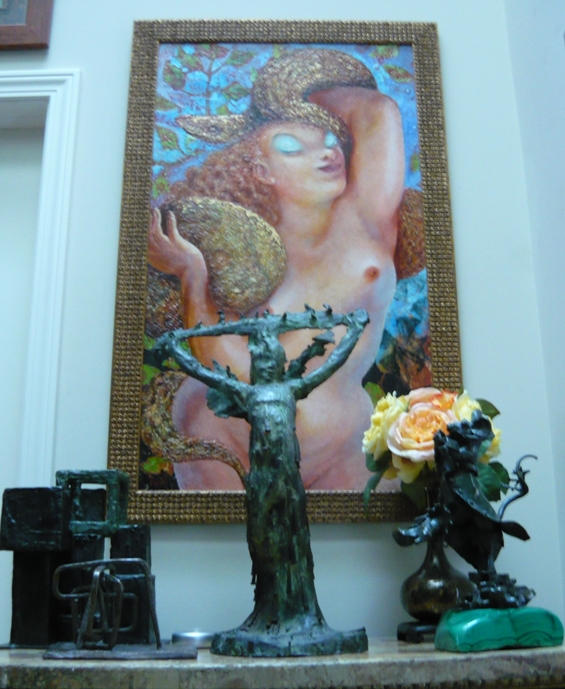
    Eve (oil painting) / Avenging Angel (center bronze) / Pied Piper (right bronze)
Artist: William Girard
Note: The two bronzes (center and right) are shown separately elsewhere on this site: http://sitekreator.com/gsmichaels/the-sculpture-of-william-girard.html. Eve (37 5/8 x 23  3/8 inches. Oil painting) is discussed further on page 7 of this section.
    Eve (oil painting) / Avenging Angel (center bronze) / Pied Piper (right bronze) Artist: William Girard Note: The two bronzes (center and right) are shown separately elsewhere on this site: http://sitekreator.com/gsmichaels/the-sculpture-of-william-girard.html. Eve (37 5/8 x 23 3/8 inches. Oil painting) is discussed further on page 7 of this section.
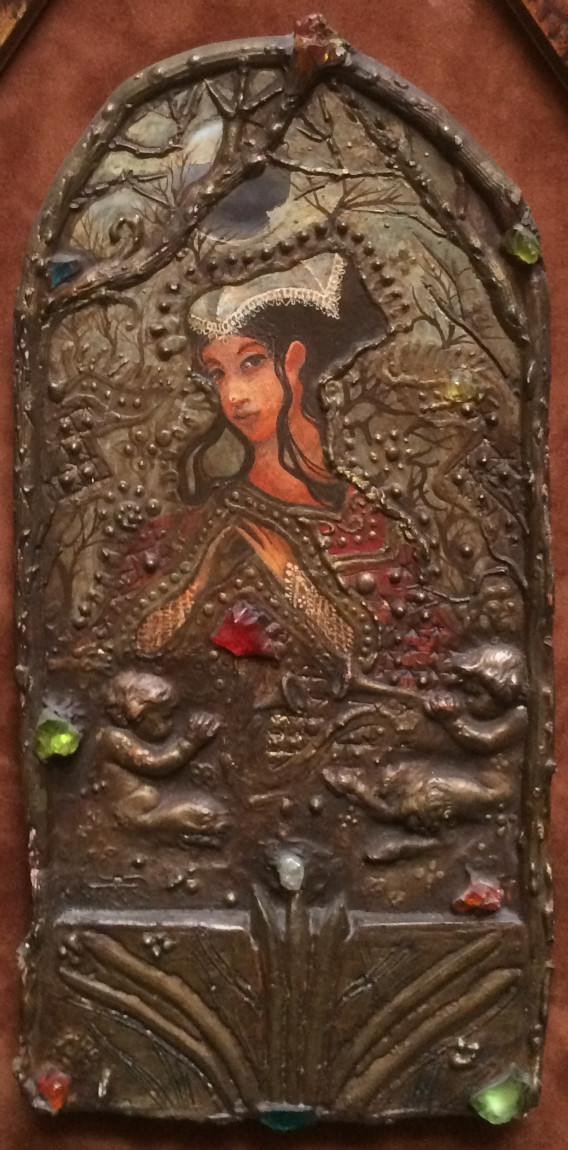
    Medallion in center panel of small triptych
Artist: William Girard
Photo courtesy of Ken Weikal, Farmington Hills, MI
    Medallion in center panel of small triptych Artist: William Girard Photo courtesy of Ken Weikal, Farmington Hills, MI
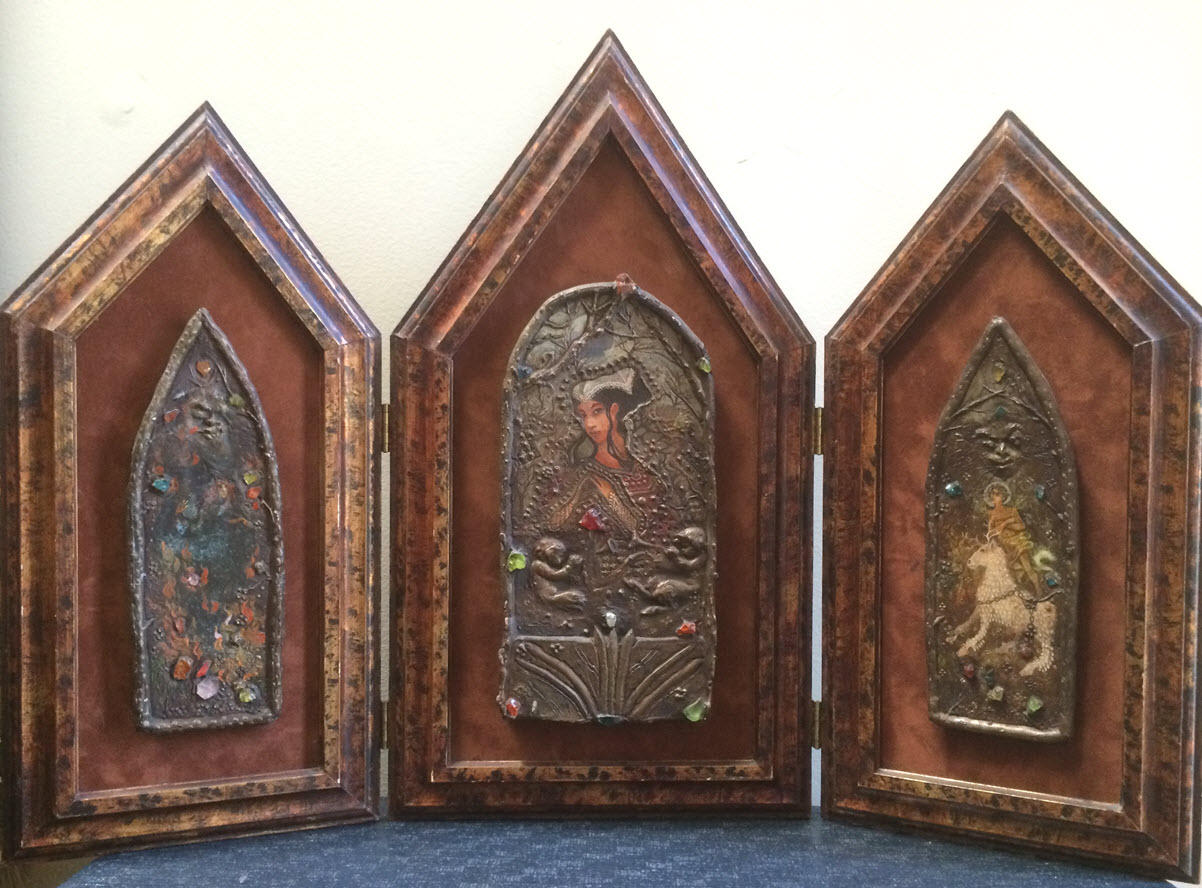
    Small Triptych
Mixed Media
Artist: William Girard
Date: Unknown
Photo courtesy of Ken Weikal, Farmington Hills, MI
    Small Triptych Mixed Media Artist: William Girard Date: Unknown Photo courtesy of Ken Weikal, Farmington Hills, MI
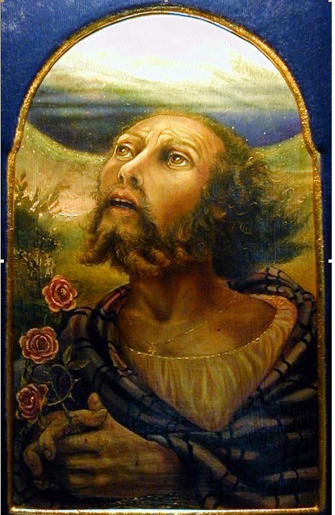
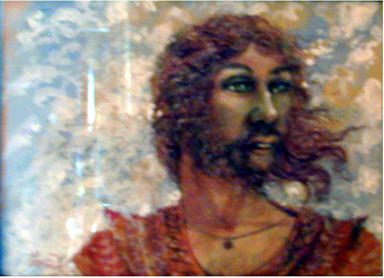
    Jesus
Artist: William Girard
    Jesus Artist: William Girard
    Title: Unknown
Oil painting
Artist: William Girard
Formerly collection of Allen Abramson
Photo courtesy of Ken Weikal, Farmington Hills, MI
    Title: Unknown Oil painting Artist: William Girard Formerly collection of Allen Abramson Photo courtesy of Ken Weikal, Farmington Hills, MI
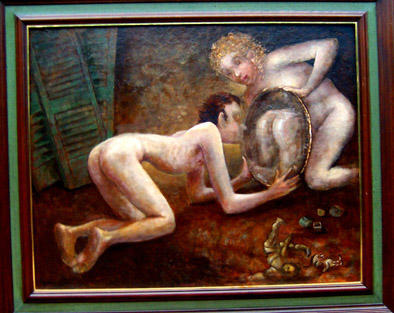
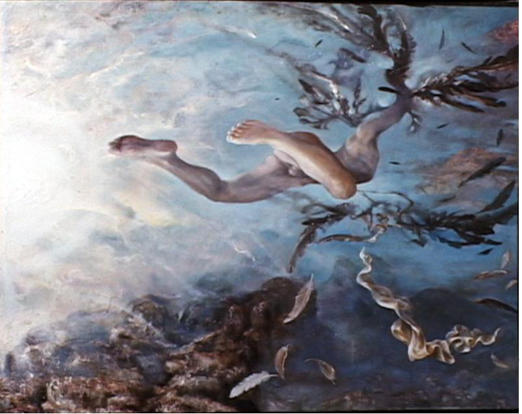
    Narcissus
Artist: William Girard
Oil on canvas in cropped frame
    Narcissus Artist: William Girard Oil on canvas in cropped frame
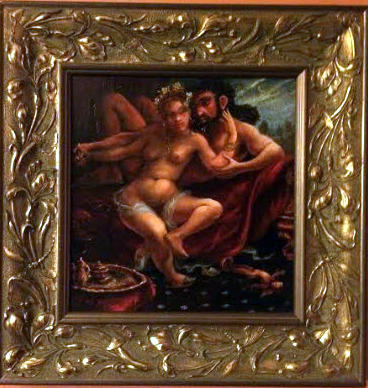
    David and Bathesheba
Artist: William Girard
    David and Bathesheba Artist: William Girard
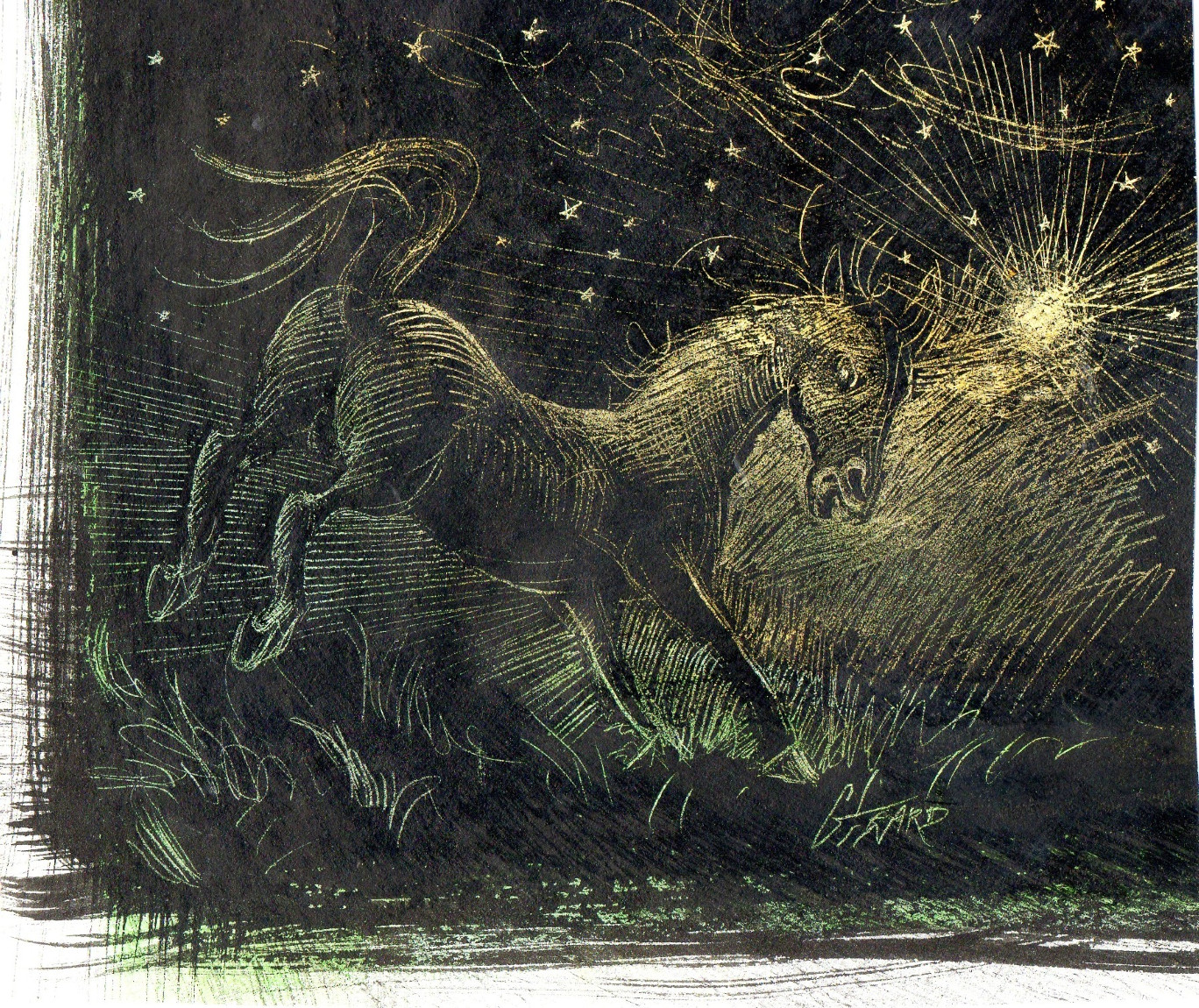
    Untitled (Still Kicking.)
Artist: William Girard
@ 4 x 6 in. Ink on Paper
    Untitled (Still Kicking.) Artist: William Girard @ 4 x 6 in. Ink on Paper
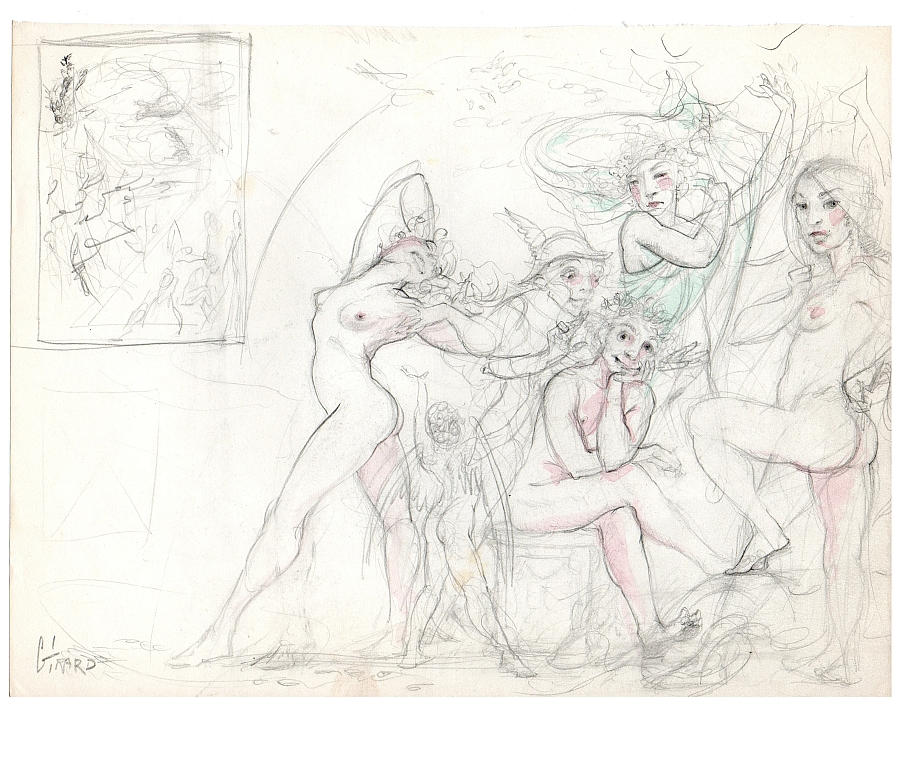
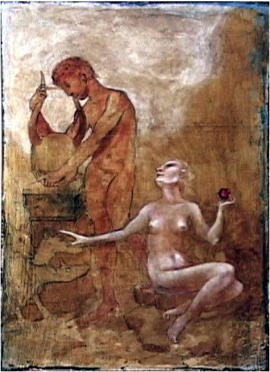
    The Judgment of Paris. Pencil on paper. 10.7” x 8.3" 
Artist: William Girard

Of the many versions I've seen, this is the funniest. Paris of Troy, a shepherd, must choose the loveliest of three goddesses from Mt. Olympus, completing for a golden apple addressed to "the fairest" (by the goddess of discord, Eris.) Poor guy!

There is a hidden irony here for those familiar with the role played by Aris K., the former head of the Painting Department and later chair of the Fine Arts Department, at the institution where the artist taught for 30 years. 

A written comment about the artist,  by Aris, appears in the William Girard: Comments About... page
    The Judgment of Paris. Pencil on paper. 10.7” x 8.3" Artist: William Girard Of the many versions I've seen, this is the funniest. Paris of Troy, a shepherd, must choose the loveliest of three goddesses from Mt. Olympus, completing for a golden apple addressed to "the fairest" (by the goddess of discord, Eris.) Poor guy! There is a hidden irony here for those familiar with the role played by Aris K., the former head of the Painting Department and later chair of the Fine Arts Department, at the institution where the artist taught for 30 years. A written comment about the artist, by Aris, appears in the William Girard: Comments About... page
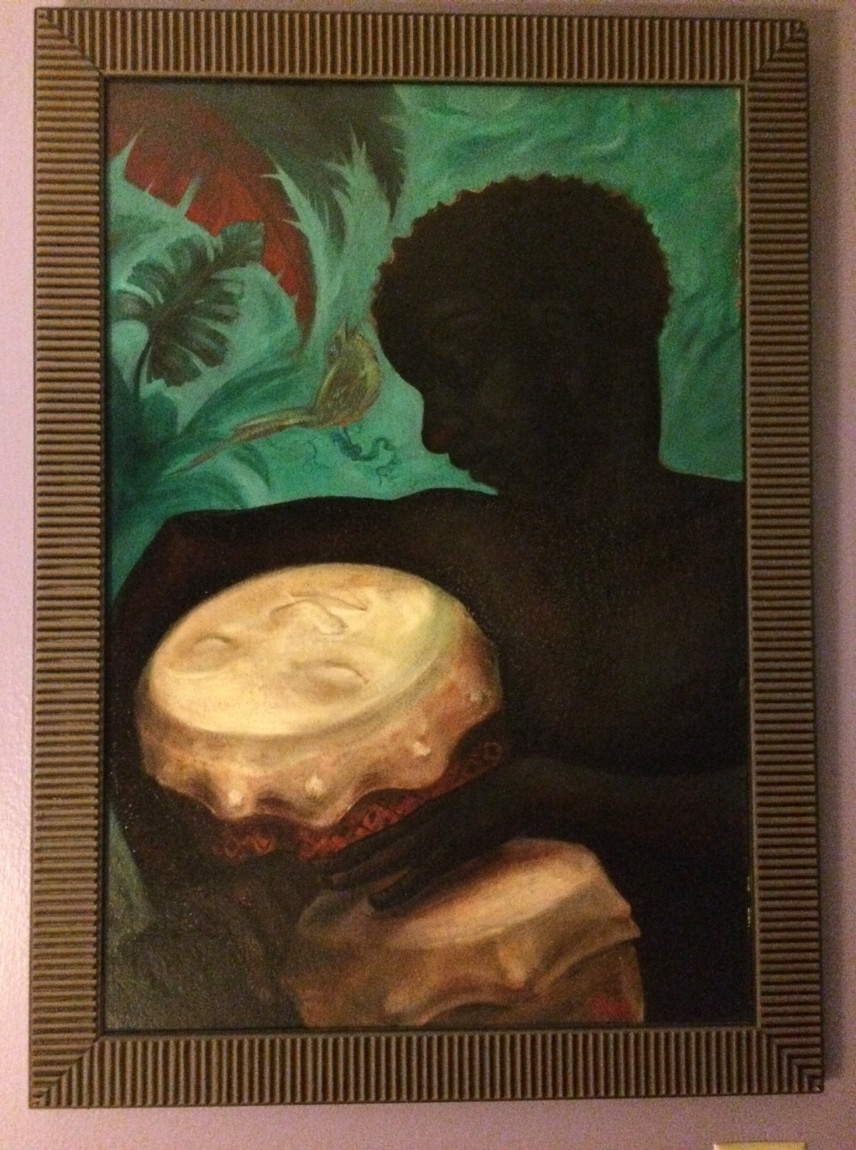
    Clearly inspired by Duke Ellington's, "A Drum is a Woman." Girard painted a number of images based on this piece. According to the current owner, the figure of "Carribee Joe" is nearly a silhouette. However, facial features are clearly discernable, though in very low contrast. Currently held in a private collection in Florida. Purchased from Fiorini Gallery & Frame, St. Petersburg, FL.,  circa 2005.
    Clearly inspired by Duke Ellington's, "A Drum is a Woman." Girard painted a number of images based on this piece. According to the current owner, the figure of "Carribee Joe" is nearly a silhouette. However, facial features are clearly discernable, though in very low contrast. Currently held in a private collection in Florida. Purchased from Fiorini Gallery & Frame, St. Petersburg, FL., circa 2005.
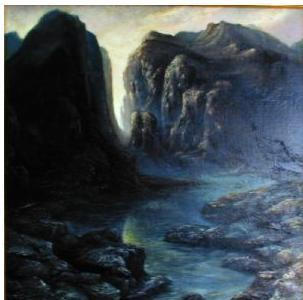
    Dawn in the Ravine
Artist: William Girard
    Dawn in the Ravine Artist: William Girard
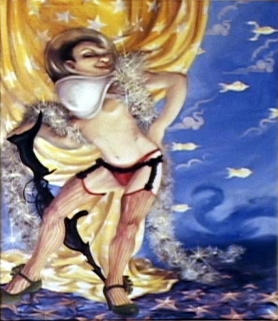
    Judy in the Stars.
Artist: William Girard
Oil painting   1975 
"Judy" is based on former Center for Creative Studies model, Judy Kunesh. She eventually took up painting, too, and became a fine, if ignored, artist. She used one particularly impressive piece of hers to seal a broken window in her Detroit apartment. More information about this painting and about the model can be found on the Musings page of this site. A self-portrait by Judy, in my possession, appears on the Artifacts page. (Click the painting to view the self-portrait.) As is immediately clear, Judy's self-image was not that of William Girard. 
Note that Girard painted a small portrait of Judy, as well. A lovely image, it hung in his living room up until his death.
    Judy in the Stars. Artist: William Girard Oil painting 1975 "Judy" is based on former Center for Creative Studies model, Judy Kunesh. She eventually took up painting, too, and became a fine, if ignored, artist. She used one particularly impressive piece of hers to seal a broken window in her Detroit apartment. More information about this painting and about the model can be found on the Musings page of this site. A self-portrait by Judy, in my possession, appears on the Artifacts page. (Click the painting to view the self-portrait.) As is immediately clear, Judy's self-image was not that of William Girard. Note that Girard painted a small portrait of Judy, as well. A lovely image, it hung in his living room up until his death.
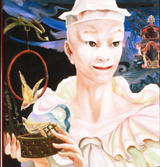
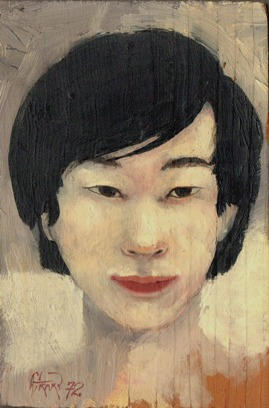
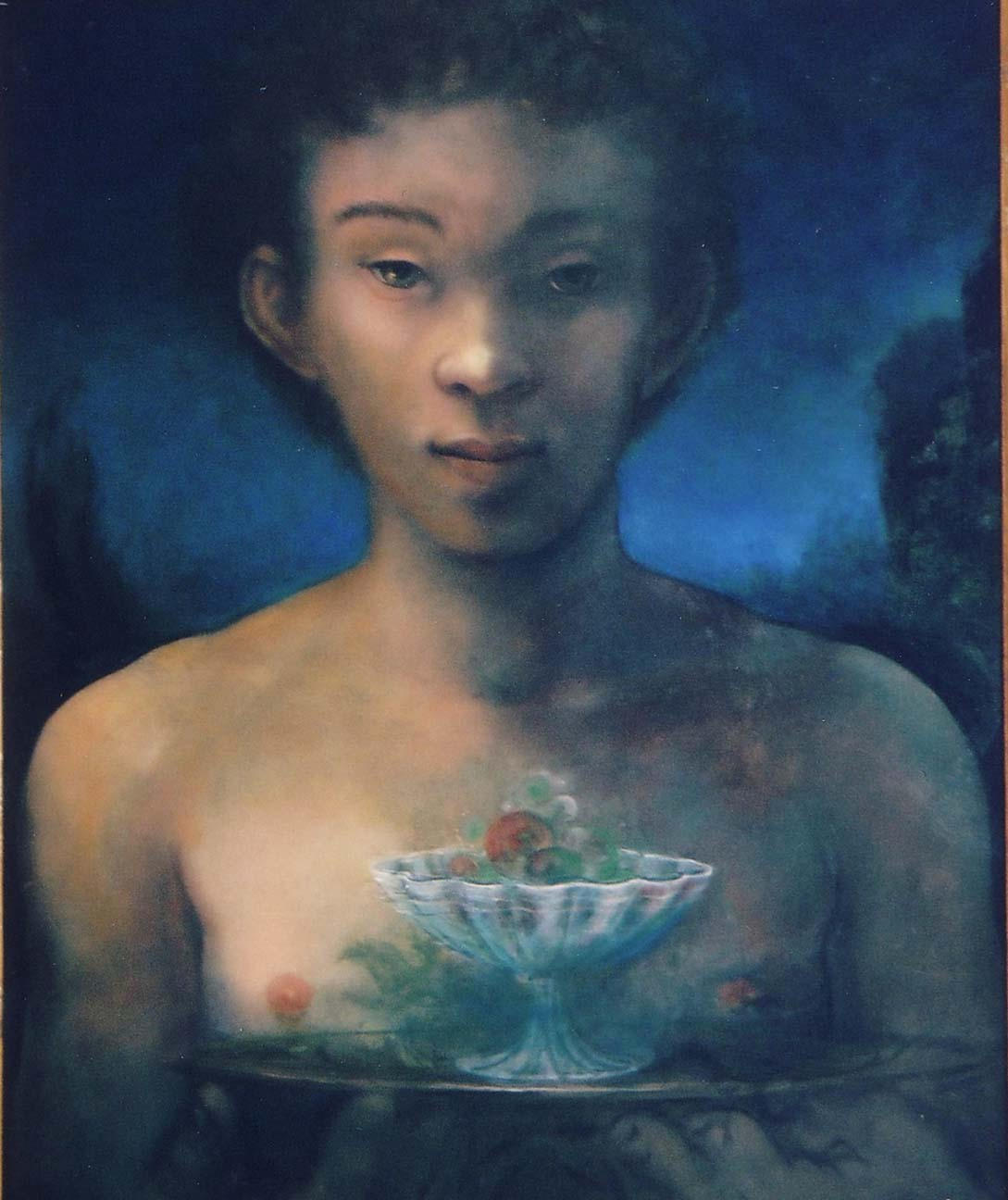
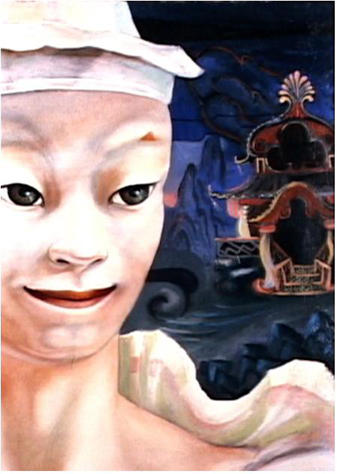
    Title: The Chinoiserie Musician (1978)
Artist: William Girard
Oil painting. 
Girard comments recorded by Michael 
Curtis, "“I am happy to say that I like this painting; it is a good painting.”  “This painting began by playing with the paint and the paint told me where it was going; he began to tell me who he was by the lines in blue willow china, and then he appeared.  Afterwards, he was intentionally chinoiserie.  He is in no way Asian; rather, he is the Chinese that exists in the 18th Century European mind.  I guess that makes me an old-fashioned boy.”
    Title: The Chinoiserie Musician (1978) Artist: William Girard Oil painting. Girard comments recorded by Michael Curtis, "“I am happy to say that I like this painting; it is a good painting.” “This painting began by playing with the paint and the paint told me where it was going; he began to tell me who he was by the lines in blue willow china, and then he appeared. Afterwards, he was intentionally chinoiserie. He is in no way Asian; rather, he is the Chinese that exists in the 18th Century European mind. I guess that makes me an old-fashioned boy.”
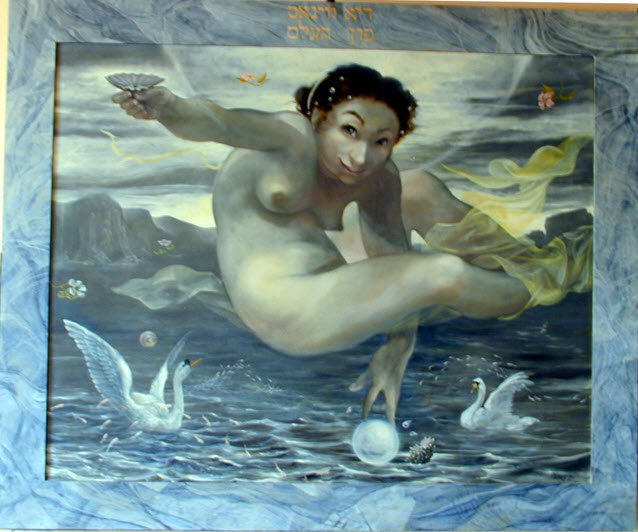
    Title: VENUS OF CHELM (1972) 
Media: Oil paint on board 28" x 34"
Artist: William Girard
Originally collection of Allen Abramson (aa 224)
Photo courtesy of Ken Weikal, Farmington Hills, MI.

According to Allen Abramson, Girard read and was a huge fan of the Yiddish writer, Sholem Aleichem (1859-1916). The influence of Jewish humor and literature is evident in several other pieces by Girard. Abramson constantly used Jewish humor in his conversations with me. Chelm, a real town in Poland, had a second, literary life whose Jewish populace was comprised of 'wise fools." 
According to Michael Curtis, “Allen Abramson (AA) would often entertain lavishly.  On one such occasion, AA recalled episodes from “The Wise people of Chelm” by Jewish playwright Shoelm Alechim.  After some back-and-forth, Bill imagined what a Venus of Chelm might look like.
	The story of Chelm, in brief: An angel of God was sent to distribute souls around the world.  She carried two bags.  One bag held wise souls, the other held foolish souls.  When flying over Chelm, the bag holding foolish souls caught on the top branch of a tree, tearing the bag and spilling the foolish souls on the village of Chelm.
	The title “The Venus of Chelm” was translated into Hebrew By Molly Adler who also recommended the store from which the stencils used in the title were purchased.
	This monochromatic painting was made in grisaille employing only four colors.”
    Title: VENUS OF CHELM (1972) Media: Oil paint on board 28" x 34" Artist: William Girard Originally collection of Allen Abramson (aa 224) Photo courtesy of Ken Weikal, Farmington Hills, MI. According to Allen Abramson, Girard read and was a huge fan of the Yiddish writer, Sholem Aleichem (1859-1916). The influence of Jewish humor and literature is evident in several other pieces by Girard. Abramson constantly used Jewish humor in his conversations with me. Chelm, a real town in Poland, had a second, literary life whose Jewish populace was comprised of 'wise fools." According to Michael Curtis, “Allen Abramson (AA) would often entertain lavishly. On one such occasion, AA recalled episodes from “The Wise people of Chelm” by Jewish playwright Shoelm Alechim. After some back-and-forth, Bill imagined what a Venus of Chelm might look like. The story of Chelm, in brief: An angel of God was sent to distribute souls around the world. She carried two bags. One bag held wise souls, the other held foolish souls. When flying over Chelm, the bag holding foolish souls caught on the top branch of a tree, tearing the bag and spilling the foolish souls on the village of Chelm. The title “The Venus of Chelm” was translated into Hebrew By Molly Adler who also recommended the store from which the stencils used in the title were purchased. This monochromatic painting was made in grisaille employing only four colors.”
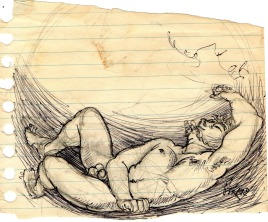
    Reclining Figure (sketch). 
Pen and ink. 
Artist: William Girard
    Reclining Figure (sketch). Pen and ink. Artist: William Girard
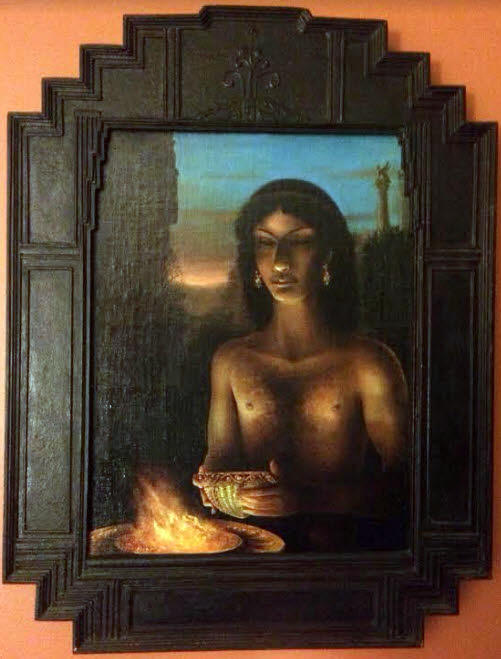
    Title: Bagoas
Dimensions: Unknown
Media: Oil paint (unconfirmed)
Artist: William Girard

The story of Bogoas, the subject of the painting, is splendidly told in the book, The Persian Boy, by Mary Renault. Bogoas is the son of a Persian prince who is castrated at an early age after his father's murder. Eventually, he becomes the lover and property of Alexander the Great, whose story is then told through Bogoas's eyes.
    Title: Bagoas Dimensions: Unknown Media: Oil paint (unconfirmed) Artist: William Girard The story of Bogoas, the subject of the painting, is splendidly told in the book, The Persian Boy, by Mary Renault. Bogoas is the son of a Persian prince who is castrated at an early age after his father's murder. Eventually, he becomes the lover and property of Alexander the Great, whose story is then told through Bogoas's eyes.
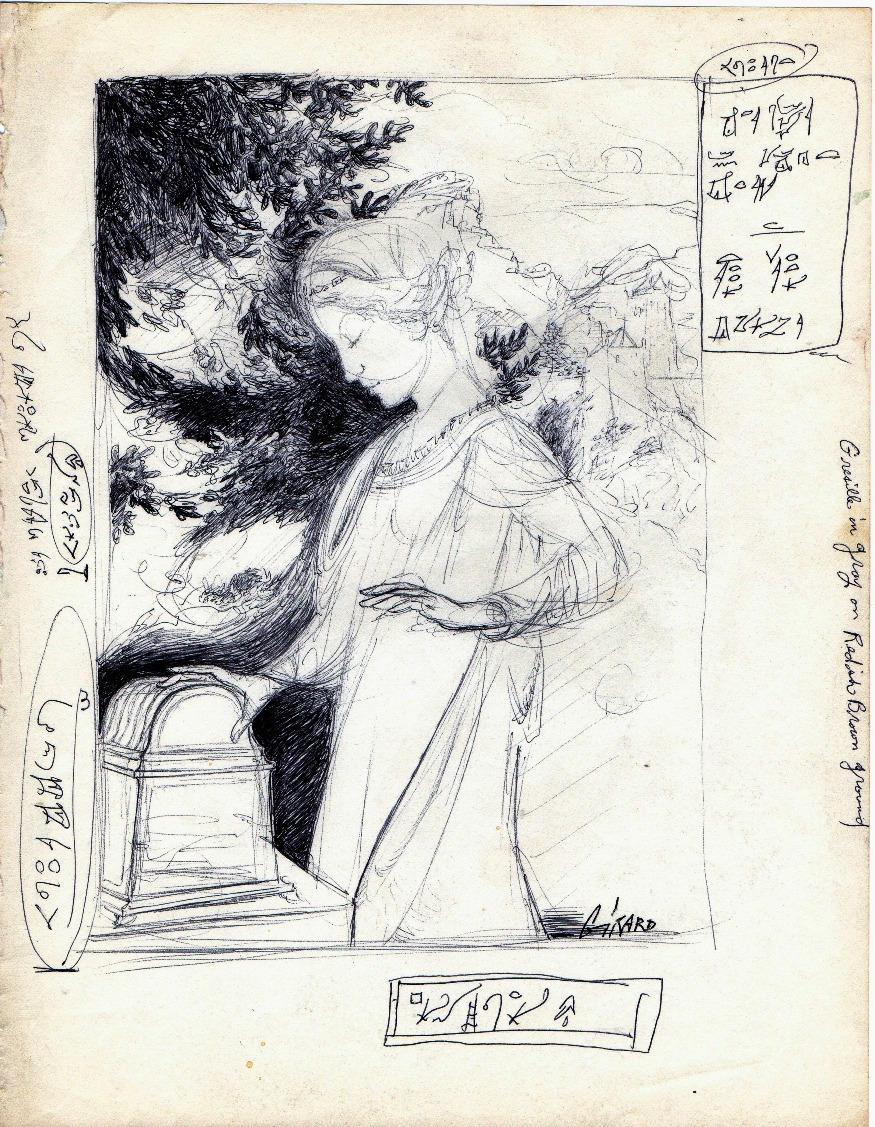
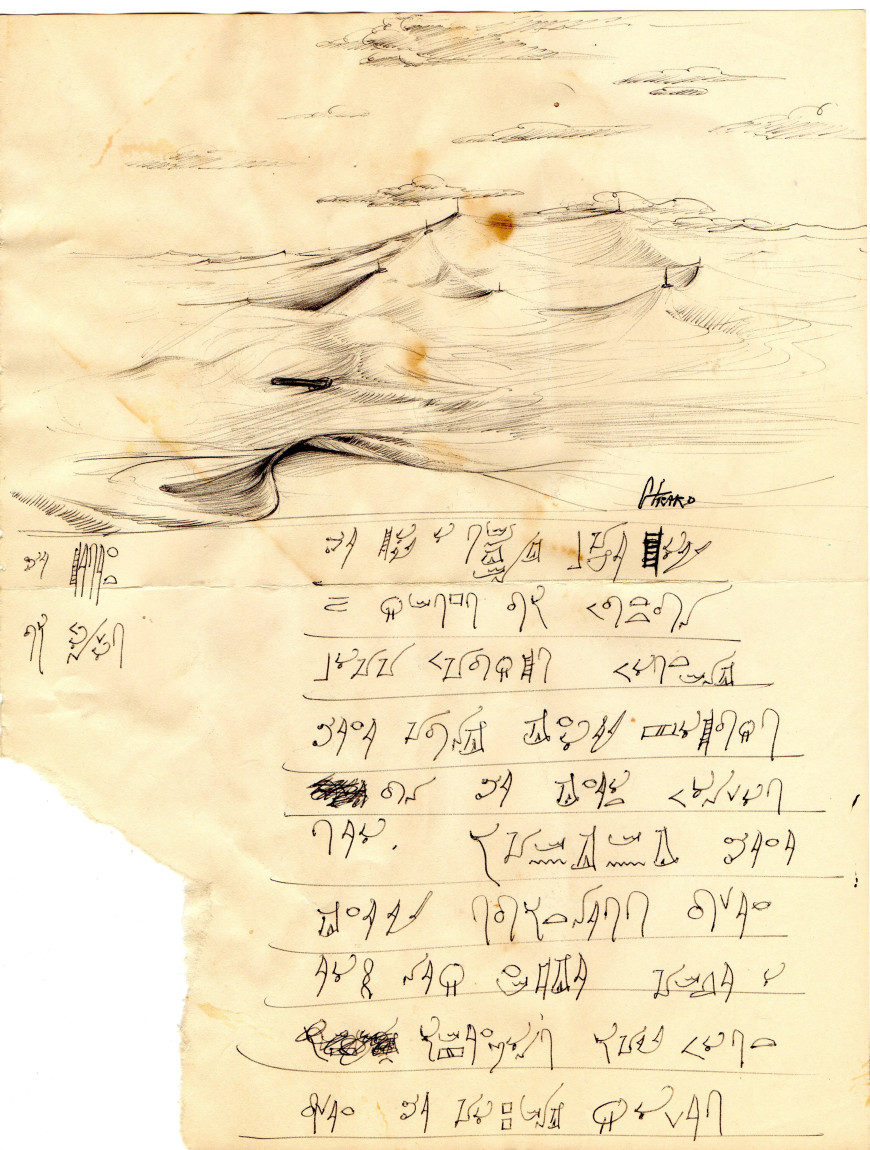
    Study for or after the artist's Pandora painting. Pen on paper. Approx. 8.5" x 11".
Artist: William Girard

Note: Bill modified Egyptian hieroglyphics into a written language of his own, which he used for his own amusement and, occasionally, purposes of discretion.
    Study for or after the artist's Pandora painting. Pen on paper. Approx. 8.5" x 11". Artist: William Girard Note: Bill modified Egyptian hieroglyphics into a written language of his own, which he used for his own amusement and, occasionally, purposes of discretion.
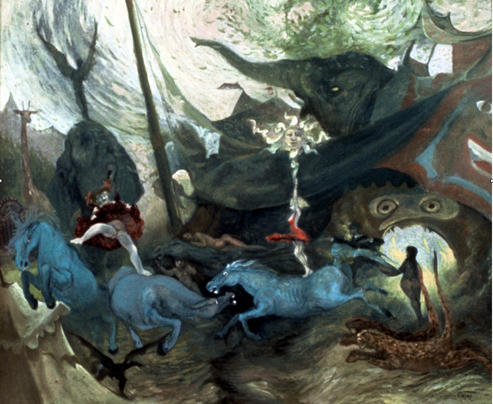
    Circus at the End of the World
Artist: William Girard
    Circus at the End of the World Artist: William Girard
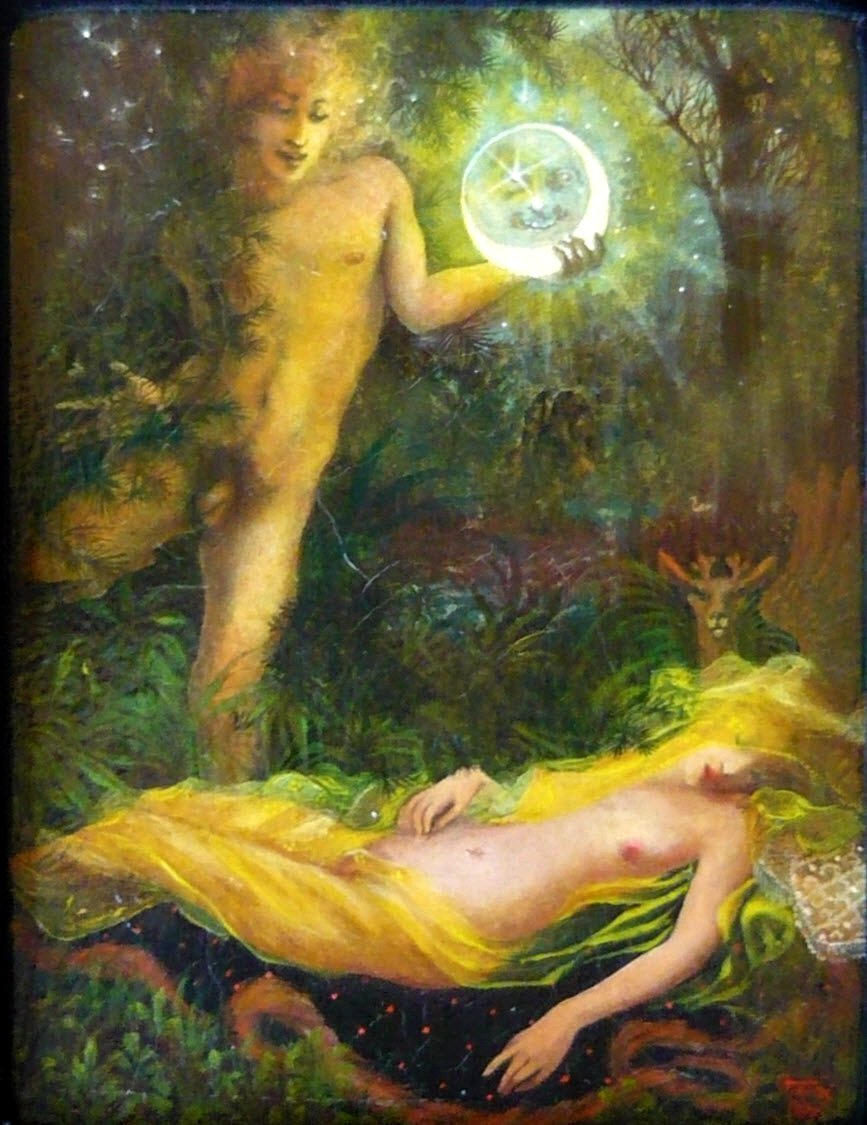
    Title: Man with Moon (Oberon & Titania?)
Oil Painting on Canvas
Dimensions 5" x 6.5"  
Signed: Girard 1967
Artist: William Girard
Originally collection of Allen Abramson (aa 228)

This painting exhibits strong parallels to paintings of Jupiter and the Antiope by Watteau and others. Jupiter (the Roman Zeus), was most commonly understood as a sky god. His symbols were often bound lightning bolts.  In Girard's work, the nude male carries a crescent moon in which the visage of the man in the moon (with a twinkling eye) can be recognized. 

Since the deep background of the painting appears to hold a donkey, my guess is that we’re attending Shakespeare’s play, A Midsummer Night’s Dream. Here, in a forest near Athens, Oberon, king of the fairies, observes his sleeping spouse, Titania. Following a marital tiff, Oberon instructed a follower to apply a particular love potion to his sleeping spouse’s eyes. This caused her to fall in love with the first living being she saw upon waking. That being turned out to be a witless laborer undeservedly enchanted so that his head was that of a donkey. Later, Oberon redeems this mischief and releases the enchanted. 
In Girard’s later painting, Titania, it is the fairy queen who carries the crescent moon symbol. In this one, the fact that the crescent moon contains a visage with a twinkling eye, strongly suggests the underlying humor associated with Shakespeare’s famous and popular comedy. Too, as one might expect of a fairy queen, the sleeping lady is lovely. And as befits a queen, she rests upon a richly decorated and perhaps fur-lined cloak.
    Title: Man with Moon (Oberon & Titania?) Oil Painting on Canvas Dimensions 5" x 6.5" Signed: Girard 1967 Artist: William Girard Originally collection of Allen Abramson (aa 228) This painting exhibits strong parallels to paintings of Jupiter and the Antiope by Watteau and others. Jupiter (the Roman Zeus), was most commonly understood as a sky god. His symbols were often bound lightning bolts. In Girard's work, the nude male carries a crescent moon in which the visage of the man in the moon (with a twinkling eye) can be recognized. Since the deep background of the painting appears to hold a donkey, my guess is that we’re attending Shakespeare’s play, A Midsummer Night’s Dream. Here, in a forest near Athens, Oberon, king of the fairies, observes his sleeping spouse, Titania. Following a marital tiff, Oberon instructed a follower to apply a particular love potion to his sleeping spouse’s eyes. This caused her to fall in love with the first living being she saw upon waking. That being turned out to be a witless laborer undeservedly enchanted so that his head was that of a donkey. Later, Oberon redeems this mischief and releases the enchanted. In Girard’s later painting, Titania, it is the fairy queen who carries the crescent moon symbol. In this one, the fact that the crescent moon contains a visage with a twinkling eye, strongly suggests the underlying humor associated with Shakespeare’s famous and popular comedy. Too, as one might expect of a fairy queen, the sleeping lady is lovely. And as befits a queen, she rests upon a richly decorated and perhaps fur-lined cloak.
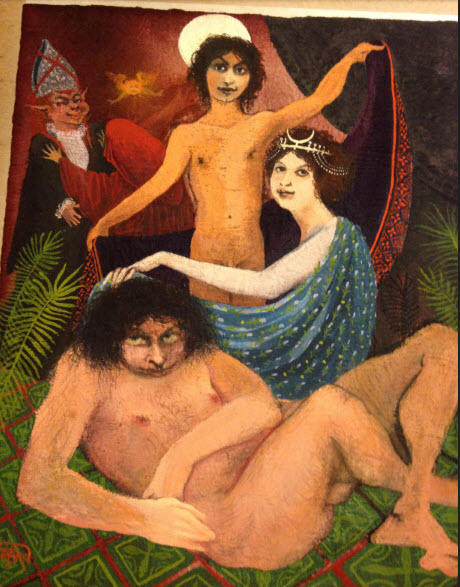
    Title: Unknown
Medium: Oil painting
Circa: Unknown 
Dimensions: 7" x 6"
Image courtesy of W. Levister
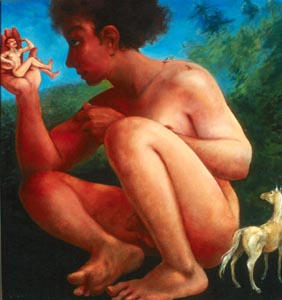
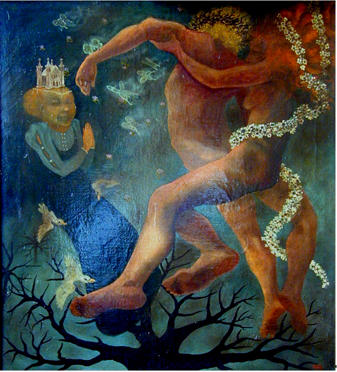
Comment: Although untitled, I am confident that the three figures at the bottom of the image represent Oberon, Titania and Nick Bottom, in order, from the top, from Shakespeare's "A Midsummer Night's Dream. (I can’t identify the figures in the upper left, though I wonder if they are drawn from the Decameron by Boccaccio).  Indications for the identification of the others are the two moon symbols - moons being a common attribute of fairies. (See Girard’s painting of Titania, shown below.)  As noted elsewhere, the two largest moons of Uranus are Titania and Oberon, respectively, also from Shakespeare's "A Midsummer Night's Dream." The "beastly" appearance of the large nude male (Bottom is turned into a donkey in the play) is suggestive as is "Titania" is stroking his hair, indicative of a certain affection. (She falls in love with the donkey-headed bottom in the play.) Fairies are typically understood to be the “the little people.” The fact that Bottom appears so large compared to the male and female figures is also suggestive.
    Title: Unknown Medium: Oil painting Circa: Unknown Dimensions: 7" x 6" Image courtesy of W. Levister Comment: Although untitled, I am confident that the three figures at the bottom of the image represent Oberon, Titania and Nick Bottom, in order, from the top, from Shakespeare's "A Midsummer Night's Dream. (I can’t identify the figures in the upper left, though I wonder if they are drawn from the Decameron by Boccaccio). Indications for the identification of the others are the two moon symbols - moons being a common attribute of fairies. (See Girard’s painting of Titania, shown below.) As noted elsewhere, the two largest moons of Uranus are Titania and Oberon, respectively, also from Shakespeare's "A Midsummer Night's Dream." The "beastly" appearance of the large nude male (Bottom is turned into a donkey in the play) is suggestive as is "Titania" is stroking his hair, indicative of a certain affection. (She falls in love with the donkey-headed bottom in the play.) Fairies are typically understood to be the “the little people.” The fact that Bottom appears so large compared to the male and female figures is also suggestive.
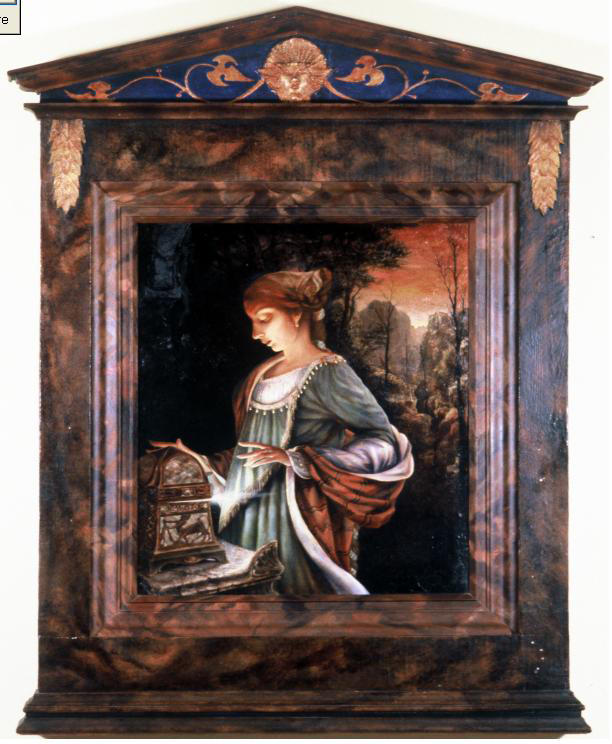
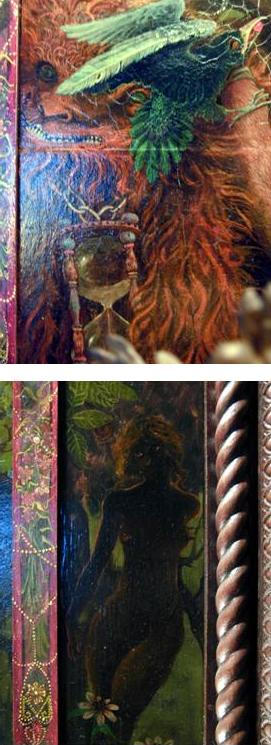
    Title: Pandora. 
Medium: Oil painting. 
Frame by the artist.
Circa 1982
Approx. 5.5' x 4'.
Artist: William Girard
Collection of Joe Jupena, Pennsylvania
    Title: Pandora. Medium: Oil painting. Frame by the artist. Circa 1982 Approx. 5.5' x 4'. Artist: William Girard Collection of Joe Jupena, Pennsylvania
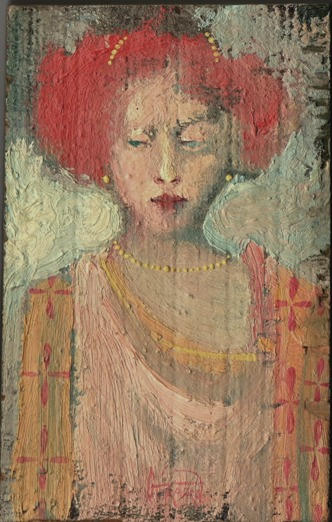
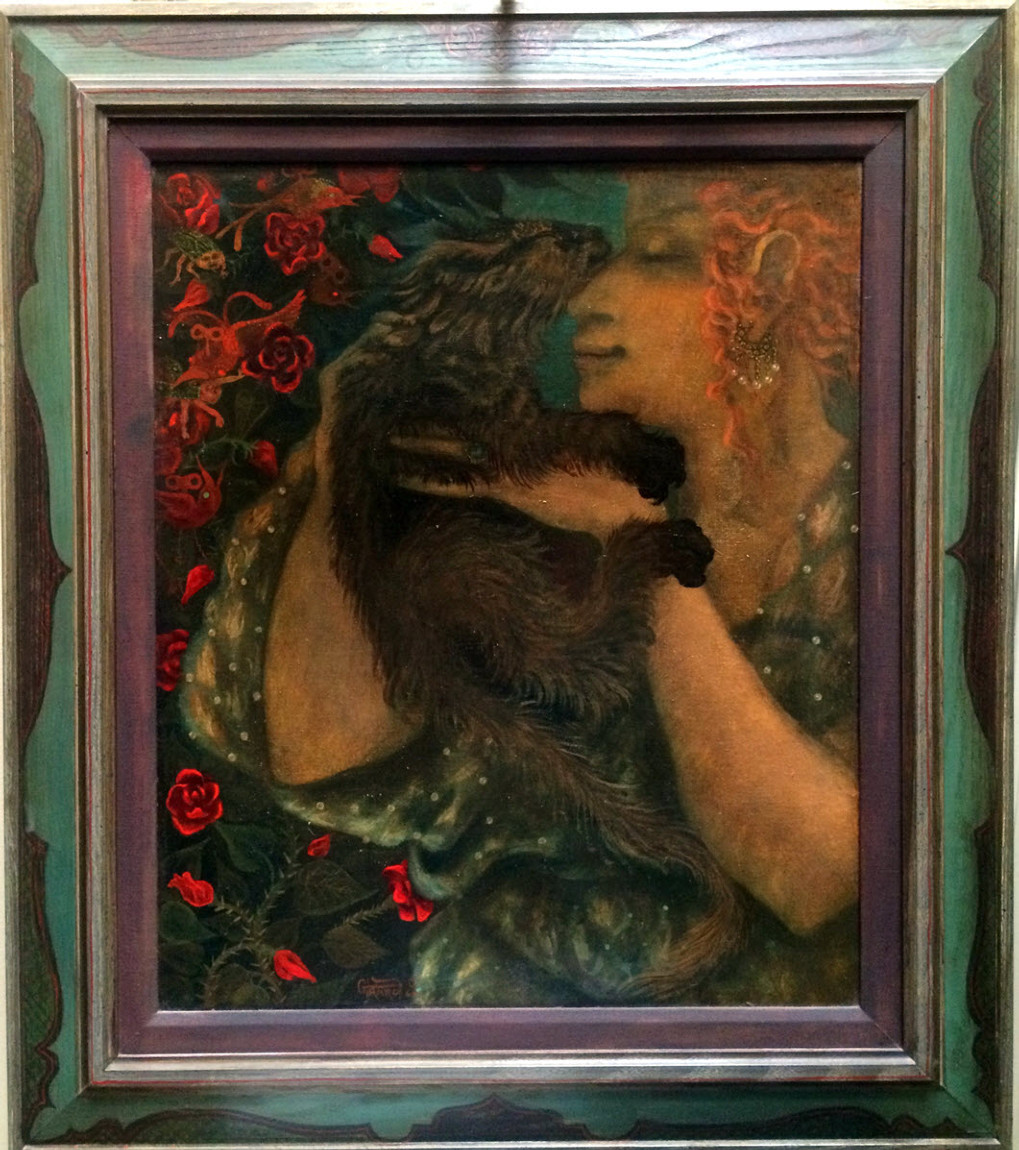
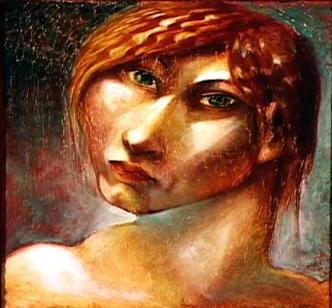
    Red Headed Woman. Oil on wood. Approx. 2" x 4".
    Red Headed Woman. Oil on wood. Approx. 2" x 4".
    Title: Circe 
Media: Oil painting on panel (1969)
Artist: William Girard
Originally collection of Allen Abramson.
Photo courtesy of Ken Weikal, Farmington Hills, MI.

Compare the Girard painting, "Circe and Friends," on the next page.
    Title: Circe Media: Oil painting on panel (1969) Artist: William Girard Originally collection of Allen Abramson. Photo courtesy of Ken Weikal, Farmington Hills, MI. Compare the Girard painting, "Circe and Friends," on the next page.
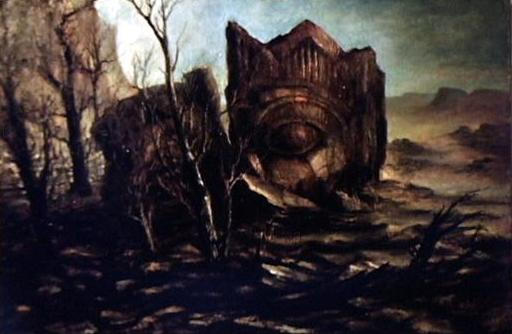
    0zymandias
Artist: William Girard
Oil on Canvas (?)
Date and Dimensions unknown
    0zymandias Artist: William Girard Oil on Canvas (?) Date and Dimensions unknown
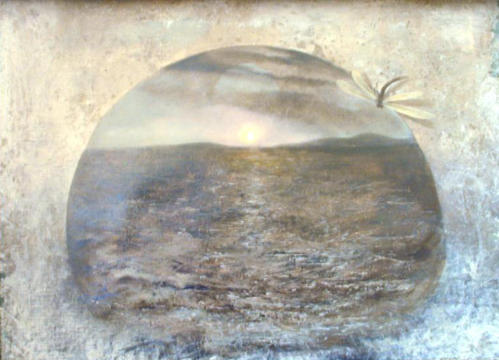
    Landscape w. dragonfly by William Girard
    Landscape w. dragonfly by William Girard
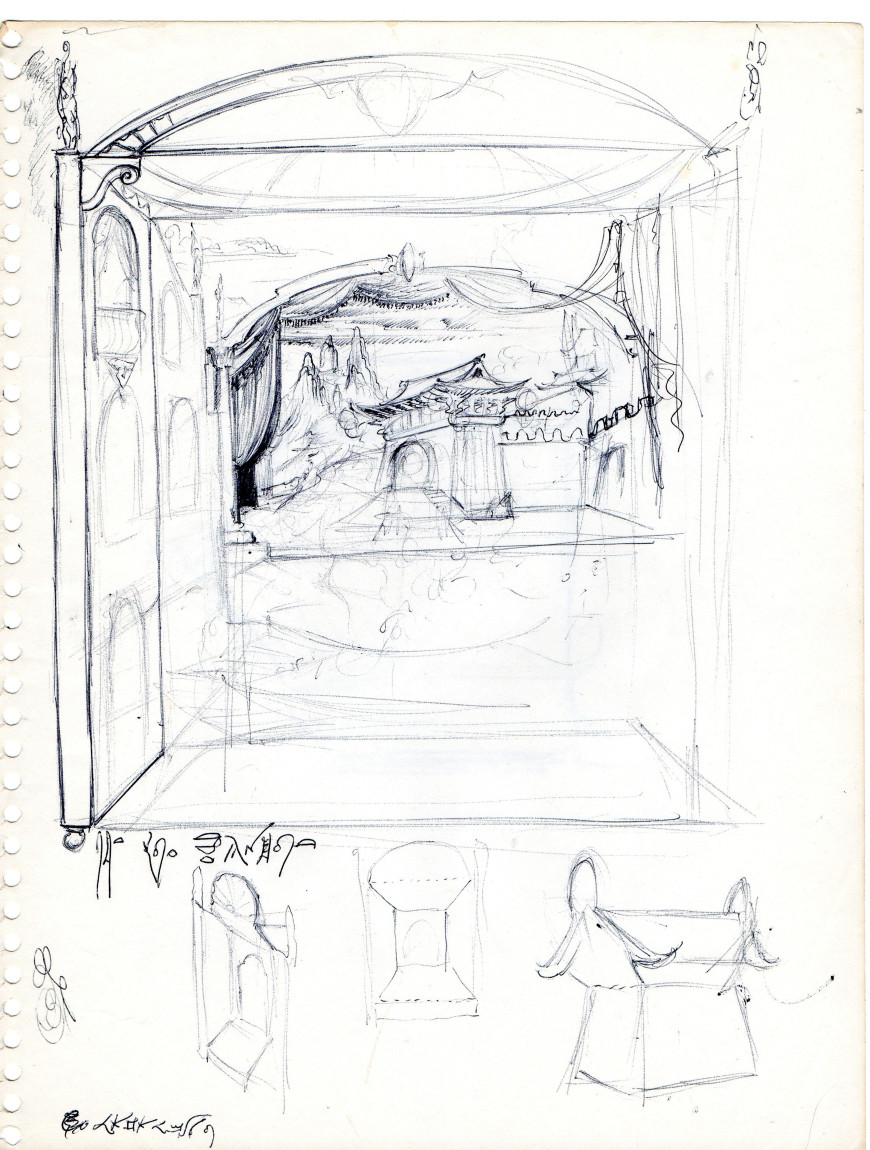
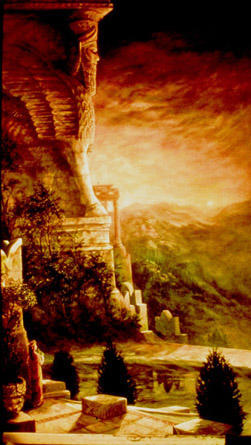
    Oriental Landscape. Pen on paper. Approx. 8.5" x 11". (Possibly a study for Girard's "Babylonian Terrace" painting.)
    Oriental Landscape. Pen on paper. Approx. 8.5" x 11". (Possibly a study for Girard's "Babylonian Terrace" painting.)
    Reggie. Oil on wood. Approx. 2" x 4".
    Reggie. Oil on wood. Approx. 2" x 4".
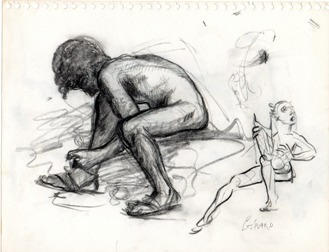
    Young man lacing shoe (charcoal sketch). Approx: 8.5" x 11".
    Young man lacing shoe (charcoal sketch). Approx: 8.5" x 11".
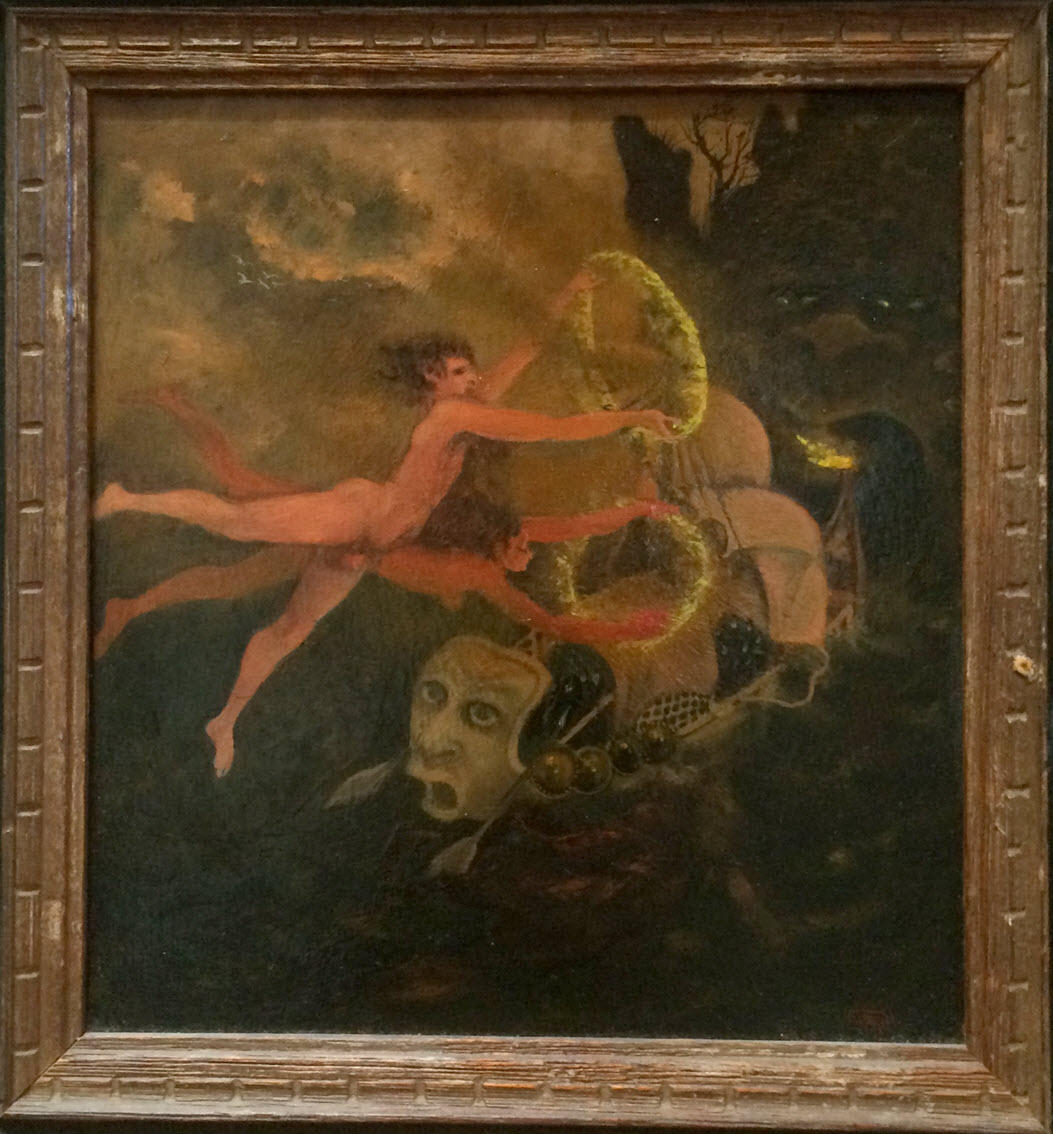
    Title: Fairy Tale (Figures and Ship)
Oil painting on panel (8" x 8.5")
Artist: William Girard
Formerly collection of Allen Abramson
Photo courtesy of Ken Weikal, Fountain Hills, MI.
According to Abramson's notes, the ship is sailing into the mouth of Hades (visible on right side of image) while a brother and sister fly by holding rings of fire for self-protection. (AA Girard 142)
    Title: Fairy Tale (Figures and Ship) Oil painting on panel (8" x 8.5") Artist: William Girard Formerly collection of Allen Abramson Photo courtesy of Ken Weikal, Fountain Hills, MI. According to Abramson's notes, the ship is sailing into the mouth of Hades (visible on right side of image) while a brother and sister fly by holding rings of fire for self-protection. (AA Girard 142)
    Pencil sketch of a young woman. Approx: 8.5" x 11"
    Pencil sketch of a young woman. Approx: 8.5" x 11"
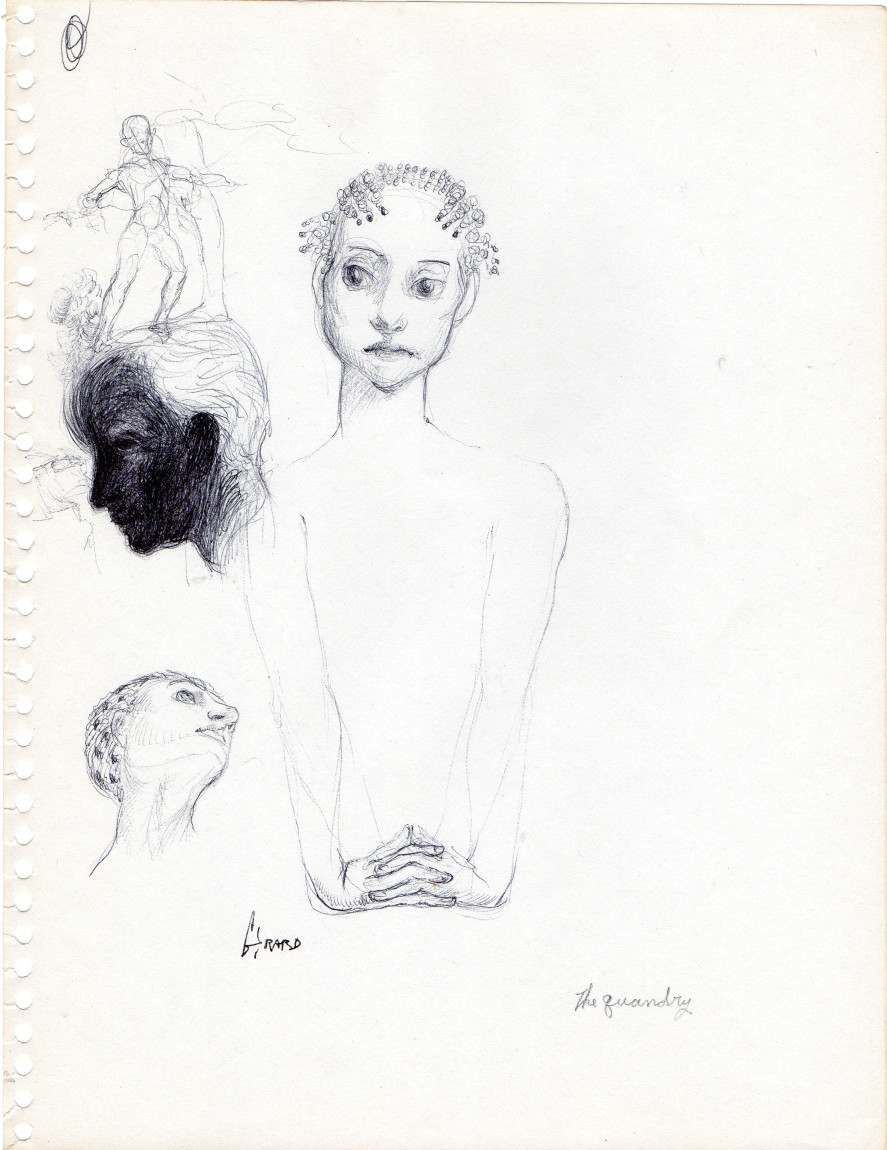
    The Quandary. Pen on paper. Approx. 8.5" x 11".
    The Quandary. Pen on paper. Approx. 8.5" x 11".
    Oedipus and the Sphinx
Artist: William Girard
Ink on Paper.
    Oedipus and the Sphinx Artist: William Girard Ink on Paper.
    Title: Circe and Friends
Media: Oil painting on canvas (20 x 24")
Artist: William Girard
Originally collection of Allen Abramson (aa 183 formerly 150)
Photo courtesy of Ken Weikal, Farmington Hills, MI.
    Title: Circe and Friends Media: Oil painting on canvas (20 x 24") Artist: William Girard Originally collection of Allen Abramson (aa 183 formerly 150) Photo courtesy of Ken Weikal, Farmington Hills, MI.
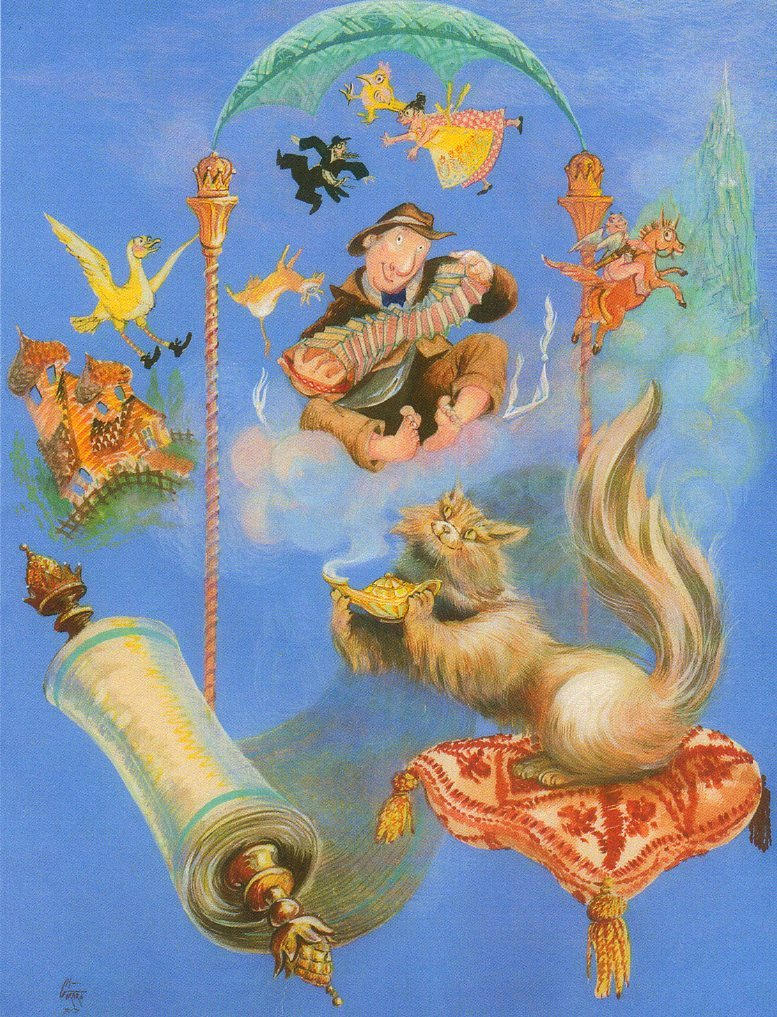
    Allen in the Sky with Accordion. Oil painting by William Girard. "Allen" is Allen Abramson, a Detroit art and antiques dealer closely associated with the artist for many years.
    Allen in the Sky with Accordion. Oil painting by William Girard. "Allen" is Allen Abramson, a Detroit art and antiques dealer closely associated with the artist for many years.
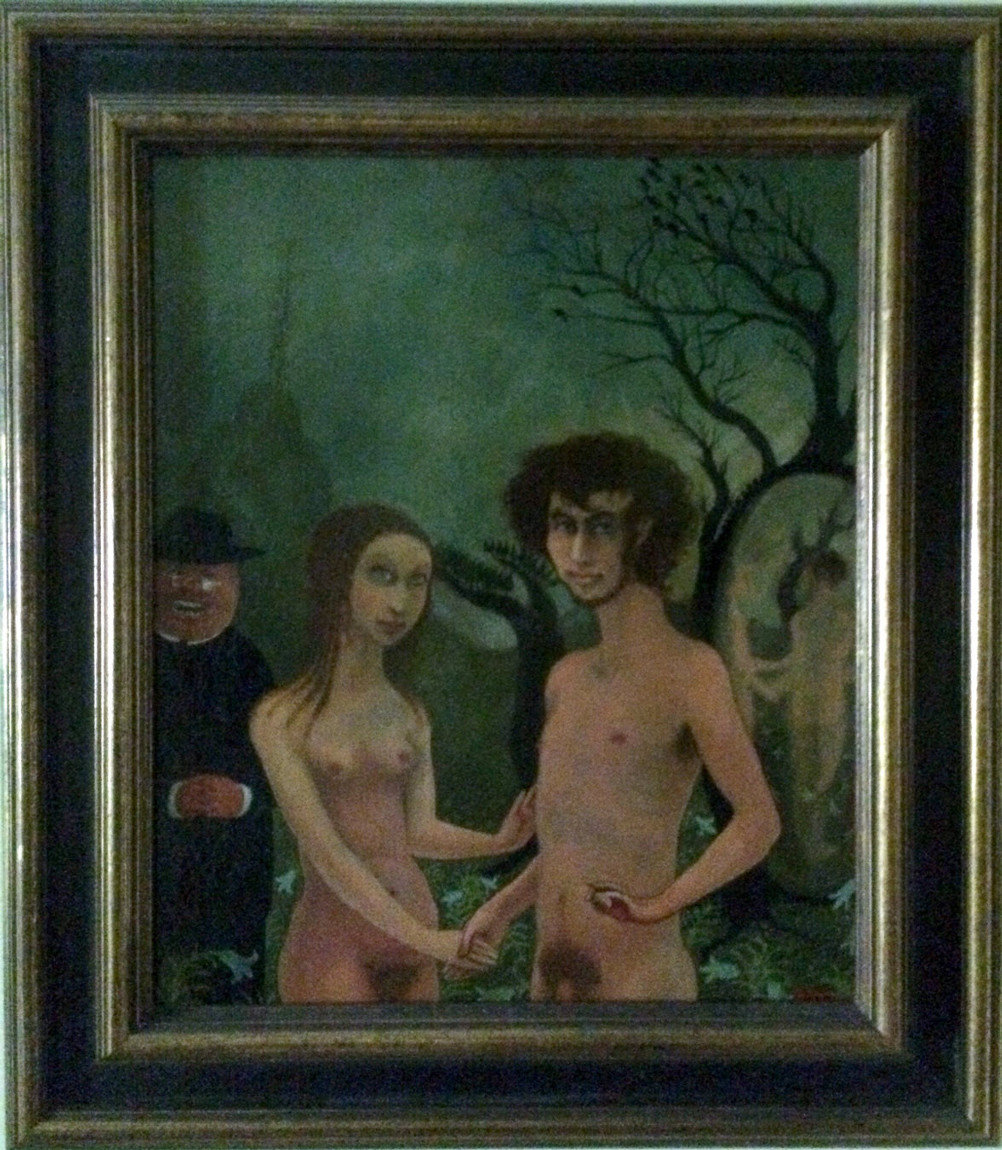
    Title: Marriage of Adam and Eve
Oil painting on wood panel
Dimensions unknown
Artist: William Girard
Formerly collection of Allen Abramson
Photo courtesy of Ken Weikal, Farmington Hills, MI.
    Title: Marriage of Adam and Eve Oil painting on wood panel Dimensions unknown Artist: William Girard Formerly collection of Allen Abramson Photo courtesy of Ken Weikal, Farmington Hills, MI.
    The Tent. Pen on paper. Approx. 8.5" x 11".
    The Tent. Pen on paper. Approx. 8.5" x 11".
    Title: Titania. Artist: William Girard. Marc Doubleday Collection. Oil painting. Circa 1981. 
(It is most unfortunate that this image is so poor.) “Titania” is the queen of the fairies, in Shakespeare's "A Midsummer Night's Dream" from which this image is derived.   On her left, even with her head, is a "dark Oberon," the artist's description. (Oberon was Titania’s husband, king of the fairies.) This painting was originally a portrait of the artist’s wife, Bonnie. Marc Doubleday, the painting’s first owner, obtained the portrait on the condition that Bill might “finish” it when he was ready. After Bonnie left Bill for another man, a close friend of theirs, I have been told, Bill eventually reclaimed the painting from Marc and turned it into the image seen here. 
This image, I believe, tells a far more poignant tale than is initially obvious.  In Shakespeare’s play, Oberon plays a mean trick on Titania. He has her enchanted so that she falls deeply in love with a man upon whom a spell was placed, giving him the head of a donkey (i.e., ass).
In the parlance of the mid-20th century, the artist’s sexuality was that of a “fairy.” It was a terribly derogatory term. Nonetheless, I believe that Bill identified with it as his knowledge of myth and mythology gave him a far broader perspective than the narrow-minded view afforded by vulgar usage. 
Thus Bill, here, makes himself out to be the “dark Oberon.” Why? Because he, too, played a trick on his wife, causing her to fall in love with another. In his case, the “trick” was to have married her knowing that because of his sexual preferences, they were mismatched.  Their story was, of course, far more complex and nuanced and blame or self-blame seems inappropriate. But that is not necessarily how it felt to Bill at that time. 
In retrospect, I am certain that Bill knew that the two largest moons of Uranus, are Titania and Oberon, respectively. In short, both orbit “your anus.” This anally-oriented humor would certainly have used in the gender preference sub-culture he was steeped in.  Thus, Bill’s use of moons to identify Oberon and Titania, was also a sly reference to gender and gender issues, not merely a trite symbol associated with fairy tales.
Titania and Oberon appear, I believe, in multiple Girard paintings, often accompanied by a symbolic full or crescent moon, like the one in Titania’s left hand here.
    Title: Titania. Artist: William Girard. Marc Doubleday Collection. Oil painting. Circa 1981. (It is most unfortunate that this image is so poor.) “Titania” is the queen of the fairies, in Shakespeare's "A Midsummer Night's Dream" from which this image is derived. On her left, even with her head, is a "dark Oberon," the artist's description. (Oberon was Titania’s husband, king of the fairies.) This painting was originally a portrait of the artist’s wife, Bonnie. Marc Doubleday, the painting’s first owner, obtained the portrait on the condition that Bill might “finish” it when he was ready. After Bonnie left Bill for another man, a close friend of theirs, I have been told, Bill eventually reclaimed the painting from Marc and turned it into the image seen here. This image, I believe, tells a far more poignant tale than is initially obvious. In Shakespeare’s play, Oberon plays a mean trick on Titania. He has her enchanted so that she falls deeply in love with a man upon whom a spell was placed, giving him the head of a donkey (i.e., ass). In the parlance of the mid-20th century, the artist’s sexuality was that of a “fairy.” It was a terribly derogatory term. Nonetheless, I believe that Bill identified with it as his knowledge of myth and mythology gave him a far broader perspective than the narrow-minded view afforded by vulgar usage. Thus Bill, here, makes himself out to be the “dark Oberon.” Why? Because he, too, played a trick on his wife, causing her to fall in love with another. In his case, the “trick” was to have married her knowing that because of his sexual preferences, they were mismatched. Their story was, of course, far more complex and nuanced and blame or self-blame seems inappropriate. But that is not necessarily how it felt to Bill at that time. In retrospect, I am certain that Bill knew that the two largest moons of Uranus, are Titania and Oberon, respectively. In short, both orbit “your anus.” This anally-oriented humor would certainly have used in the gender preference sub-culture he was steeped in. Thus, Bill’s use of moons to identify Oberon and Titania, was also a sly reference to gender and gender issues, not merely a trite symbol associated with fairy tales. Titania and Oberon appear, I believe, in multiple Girard paintings, often accompanied by a symbolic full or crescent moon, like the one in Titania’s left hand here.
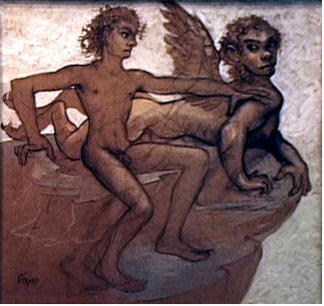
    Birth of the Minotaur by W Girard (1973)
    Birth of the Minotaur by W Girard (1973)
    Icarus by W Girard
    Icarus by W Girard
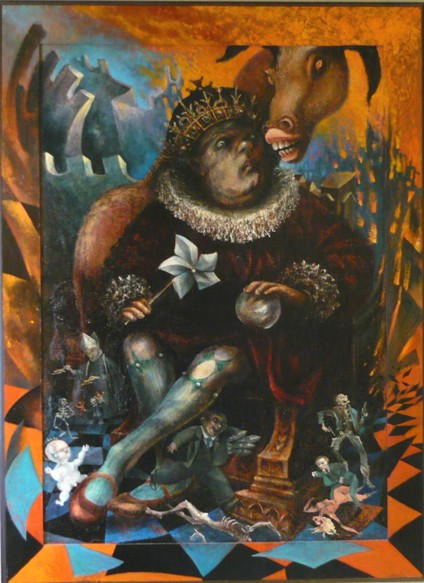
    Faval (oil on wallboard) William Girard. 
53 x 39 in. 

Faval, is the name of the donkey, from a 13th century morality play of the same name; now better known as a choral piece. The letters of Faval's name represent the seven deadly sins, in Latin. Girard's image, painted about the time that the Pope visited Detroit, includes a Pope as puppeteer, Oliver North of Irangate fame, and a skeletal John Wayne, amongst others.

At one time, this piece was part of an assembly including long poles (approx. 7 to 8 ft high, on either side) and gold-colored, sculpted putti. Why the artist altered the piece to this state I do not know.
    Faval (oil on wallboard) William Girard. 53 x 39 in. Faval, is the name of the donkey, from a 13th century morality play of the same name; now better known as a choral piece. The letters of Faval's name represent the seven deadly sins, in Latin. Girard's image, painted about the time that the Pope visited Detroit, includes a Pope as puppeteer, Oliver North of Irangate fame, and a skeletal John Wayne, amongst others. At one time, this piece was part of an assembly including long poles (approx. 7 to 8 ft high, on either side) and gold-colored, sculpted putti. Why the artist altered the piece to this state I do not know.
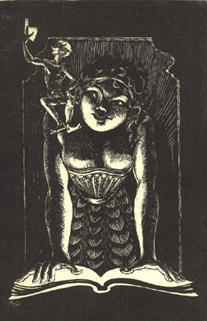
    Cover art from MUSEA, A Poetry Prose Project, an independent student literary publication of the Center for Creative Studies, 1981.
Artist: William Girard.
Created at the request of Joseph E. Vittorelli, editor.
    Cover art from MUSEA, A Poetry Prose Project, an independent student literary publication of the Center for Creative Studies, 1981. Artist: William Girard. Created at the request of Joseph E. Vittorelli, editor.
    https://0201.nccdn.net/1_2/000/000/09b/a22/skgi_1090894_9026.jpg
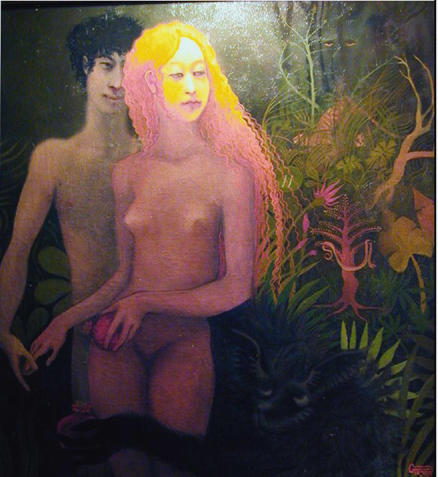
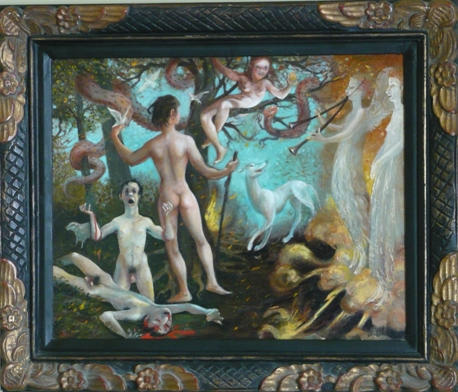
    Adam & Eve  by William Girard
    Adam & Eve by William Girard
    Narsisus (Third Version) by W Girard
    Narsisus (Third Version) by W Girard
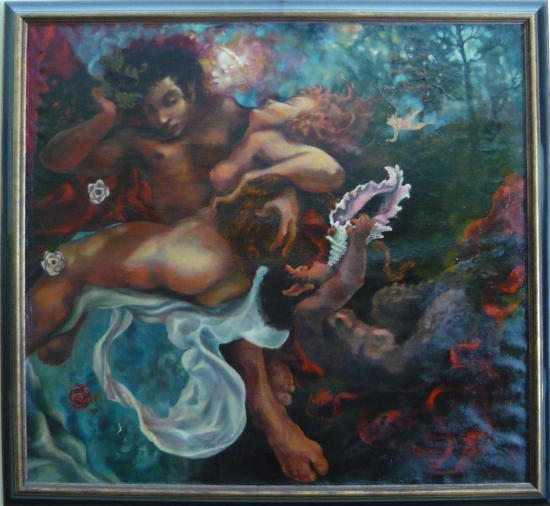
    Bacchus, Ariadne & Cupid by William Girard
    Bacchus, Ariadne & Cupid by William Girard
    Ancestral Memory by William Girard
    Ancestral Memory by William Girard
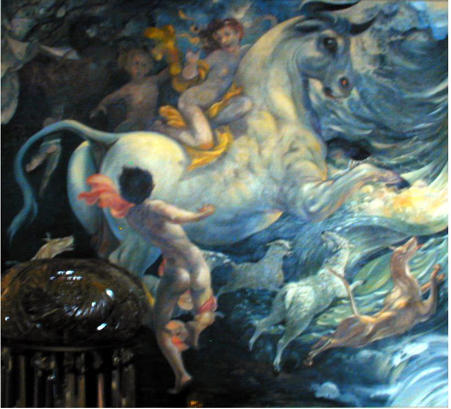
    Europa and the Bull, with Eros 
Oil painting (1967 1'-4" x 1'-8") 
Artist: William Girard
    Europa and the Bull, with Eros Oil painting (1967 1'-4" x 1'-8") Artist: William Girard
    Pompeian Youth. 
Artist: William Girard
Oil on panel  1980
    Pompeian Youth. Artist: William Girard Oil on panel 1980
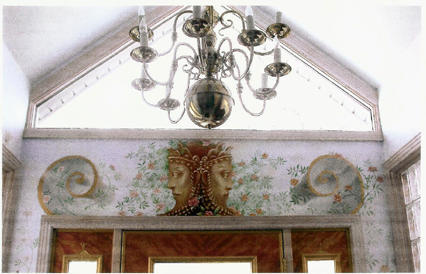
    Semprevivo Murals #3 of 8
    Semprevivo Murals #3 of 8
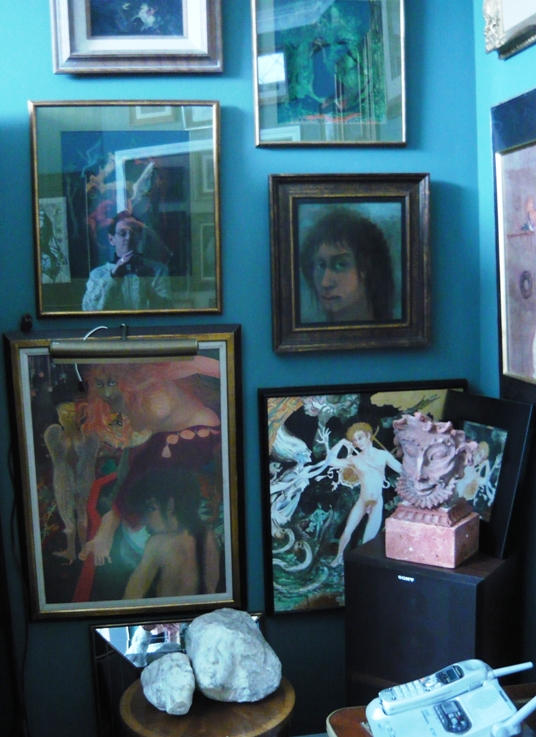
    Collector's Corner: 3 Paintings / 2 Pieces of Sculpture
Artist: William Girard
    Collector's Corner: 3 Paintings / 2 Pieces of Sculpture Artist: William Girard
    Ganymede by William Girard
    Ganymede by William Girard
    Semprevivo Murals #6 of 8
    Semprevivo Murals #6 of 8
    Semprevivo Murals #7 of 8
    Semprevivo Murals #7 of 8
    Semprevivo #8 of 8
    Semprevivo #8 of 8
    Orpheus & Euridyce by W Girard (@1977)  5" x 8.5"  oil on panel
    Orpheus & Euridyce by W Girard (@1977) 5" x 8.5" oil on panel
    Ariadne  
Artist: William Girard
Oil on Canvas 1968
42.5 x 46 in.
    Ariadne Artist: William Girard Oil on Canvas 1968 42.5 x 46 in.
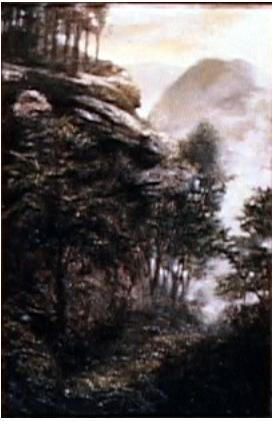
    Landscape with mountain by William Girard
    Landscape with mountain by William Girard
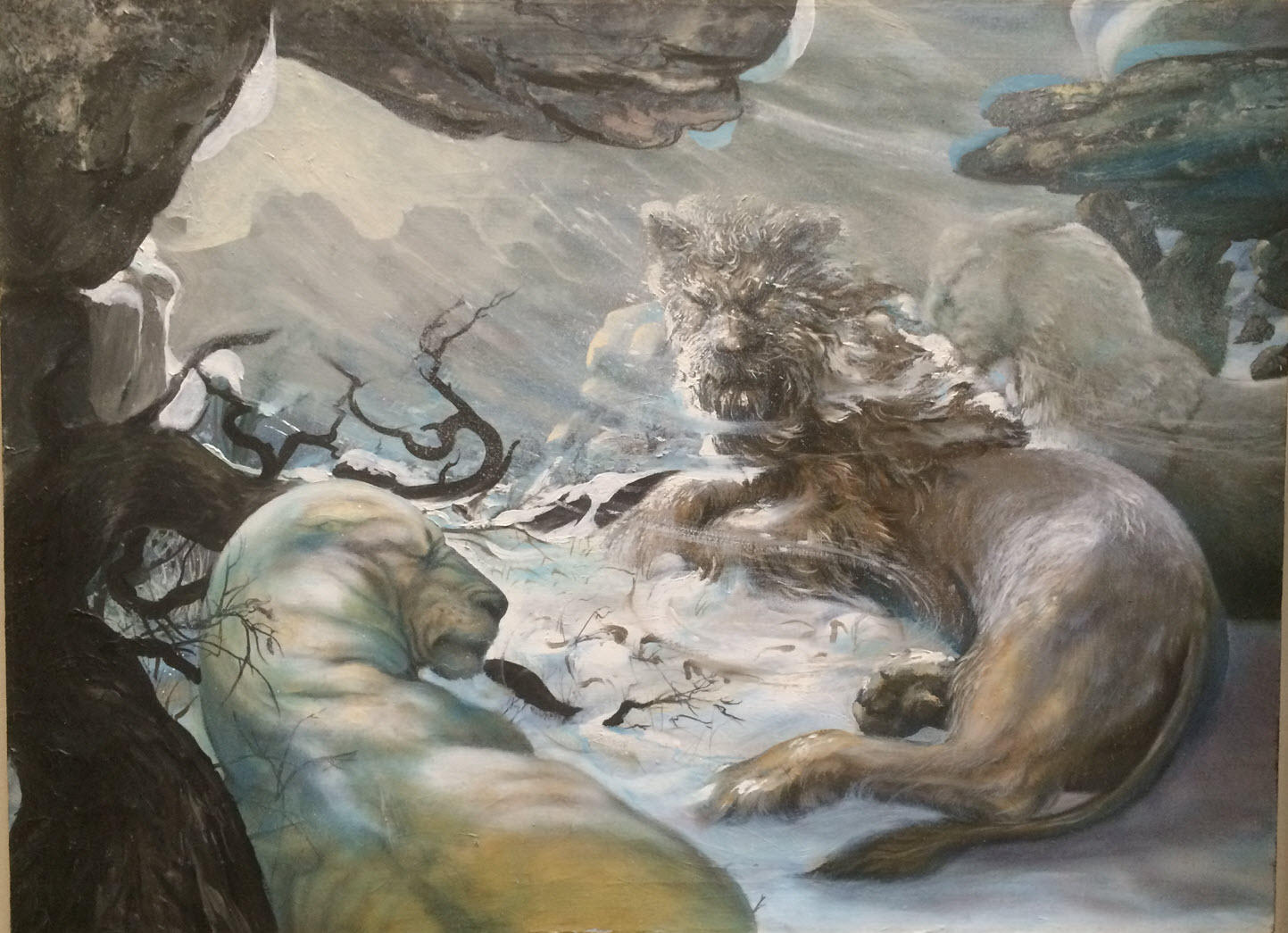
    Lions in the snow 
Oil painting
Artist: William Girard
Originally collection of Allen Abramson
Photo courtesy of Ken Weikal, Farmington Hills, MI
    Lions in the snow Oil painting Artist: William Girard Originally collection of Allen Abramson Photo courtesy of Ken Weikal, Farmington Hills, MI
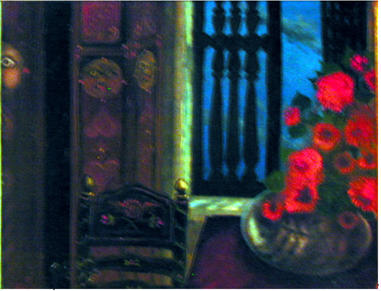
    Magical interior by William Girard
    Magical interior by William Girard
    Man in antique costume by William Girard (self-portrait?)
    Man in antique costume by William Girard (self-portrait?)
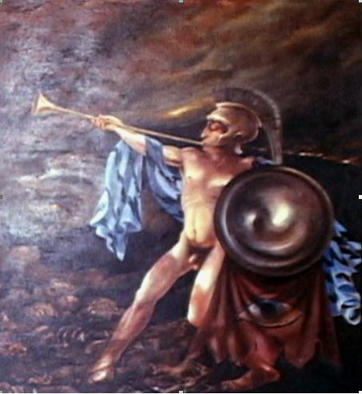
    Mars by William Girard
    Mars by William Girard
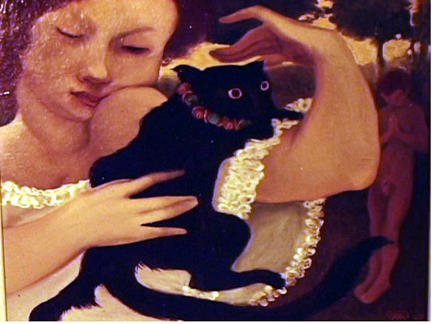
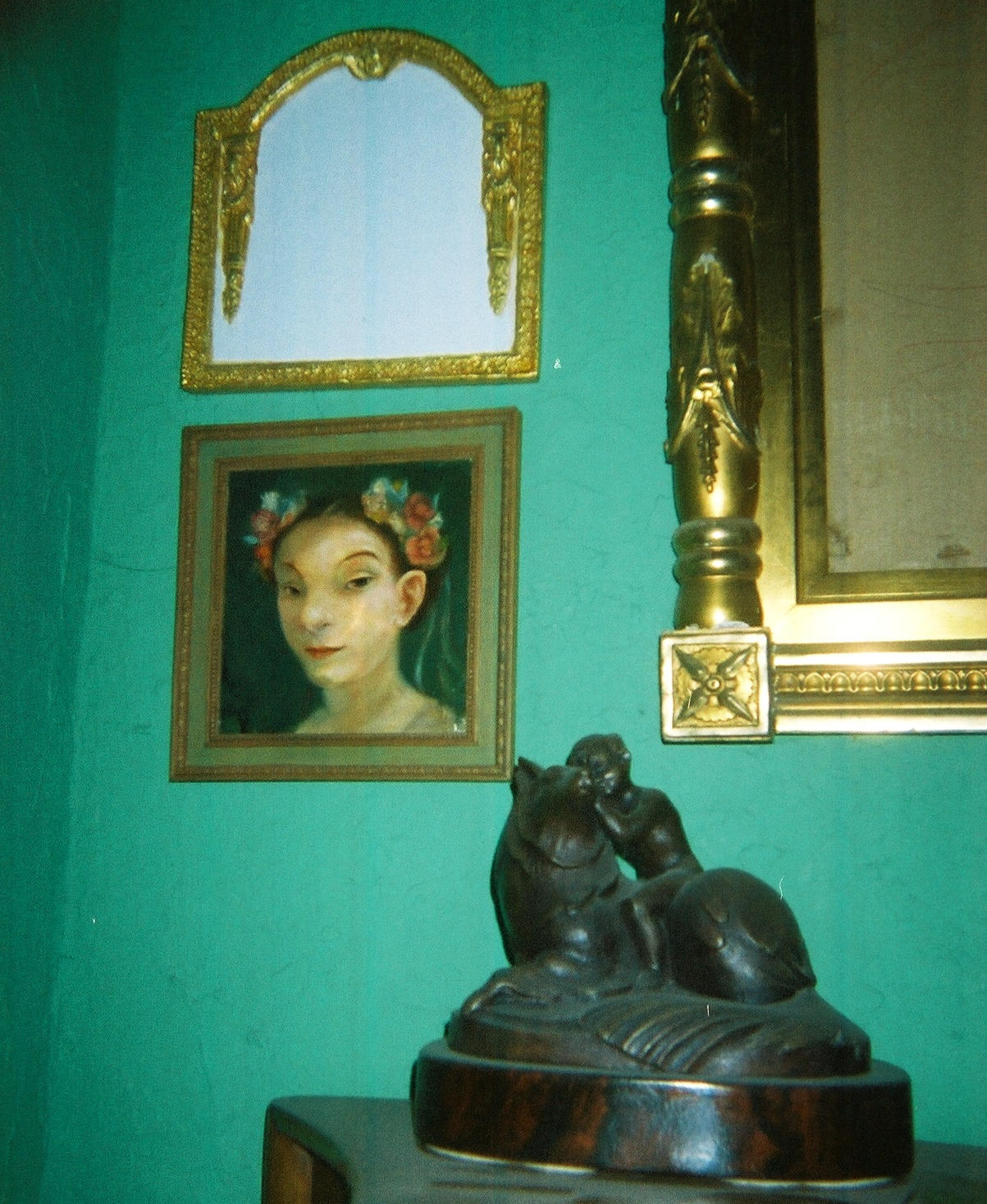
    Portrait of Judy Kunesh & Boy with Dog (Bronze)
Artist: William Girard
Photo taken in the artist's living room in 2008. See also: Judy in the Stars on this site and Self-Portrait by Judy Kunesh on the Artifacts page.
    Portrait of Judy Kunesh & Boy with Dog (Bronze) Artist: William Girard Photo taken in the artist's living room in 2008. See also: Judy in the Stars on this site and Self-Portrait by Judy Kunesh on the Artifacts page.
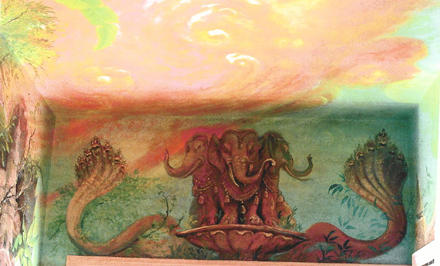
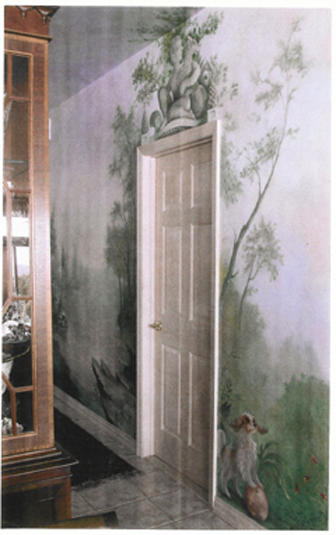
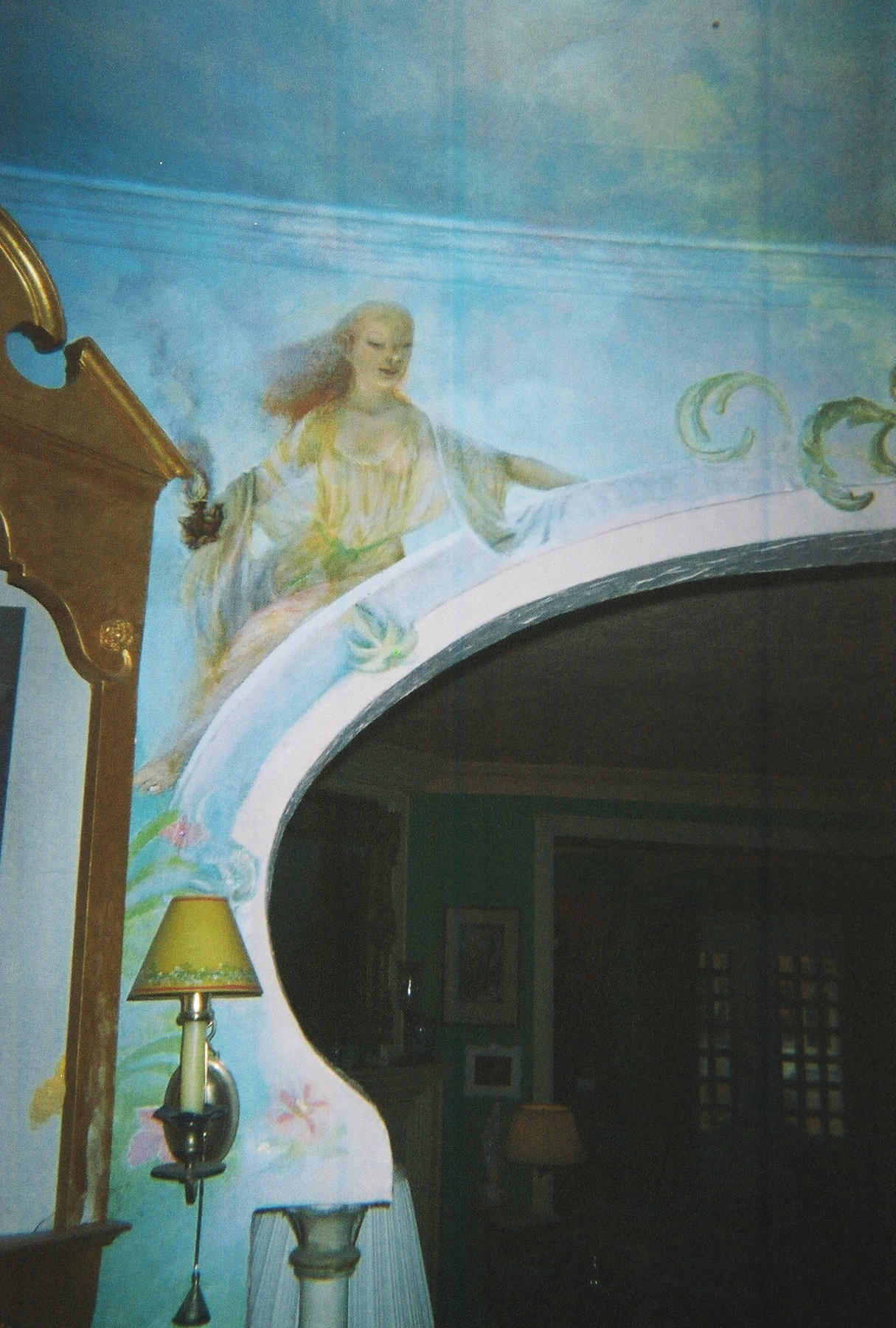
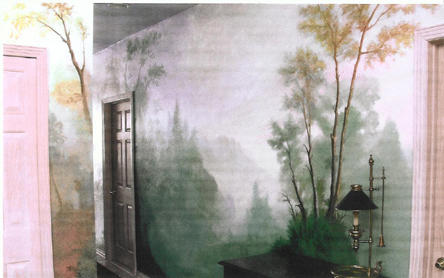
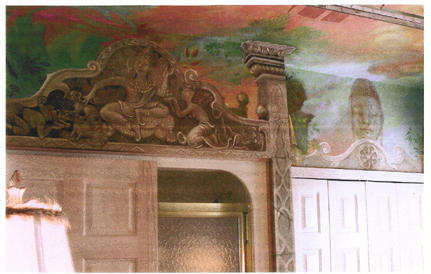
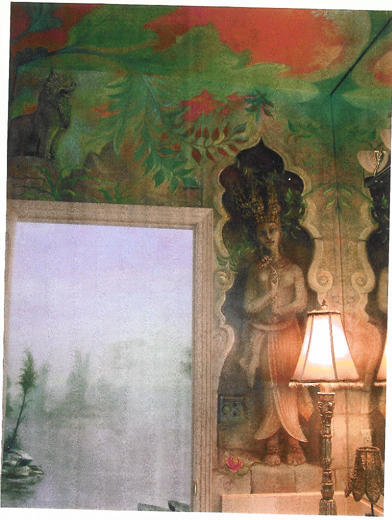
    Wall Mural (detail of William Girard's dining room)
    Wall Mural (detail of William Girard's dining room)
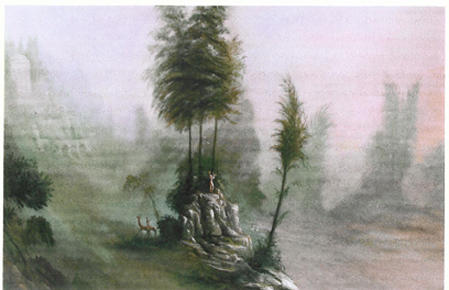
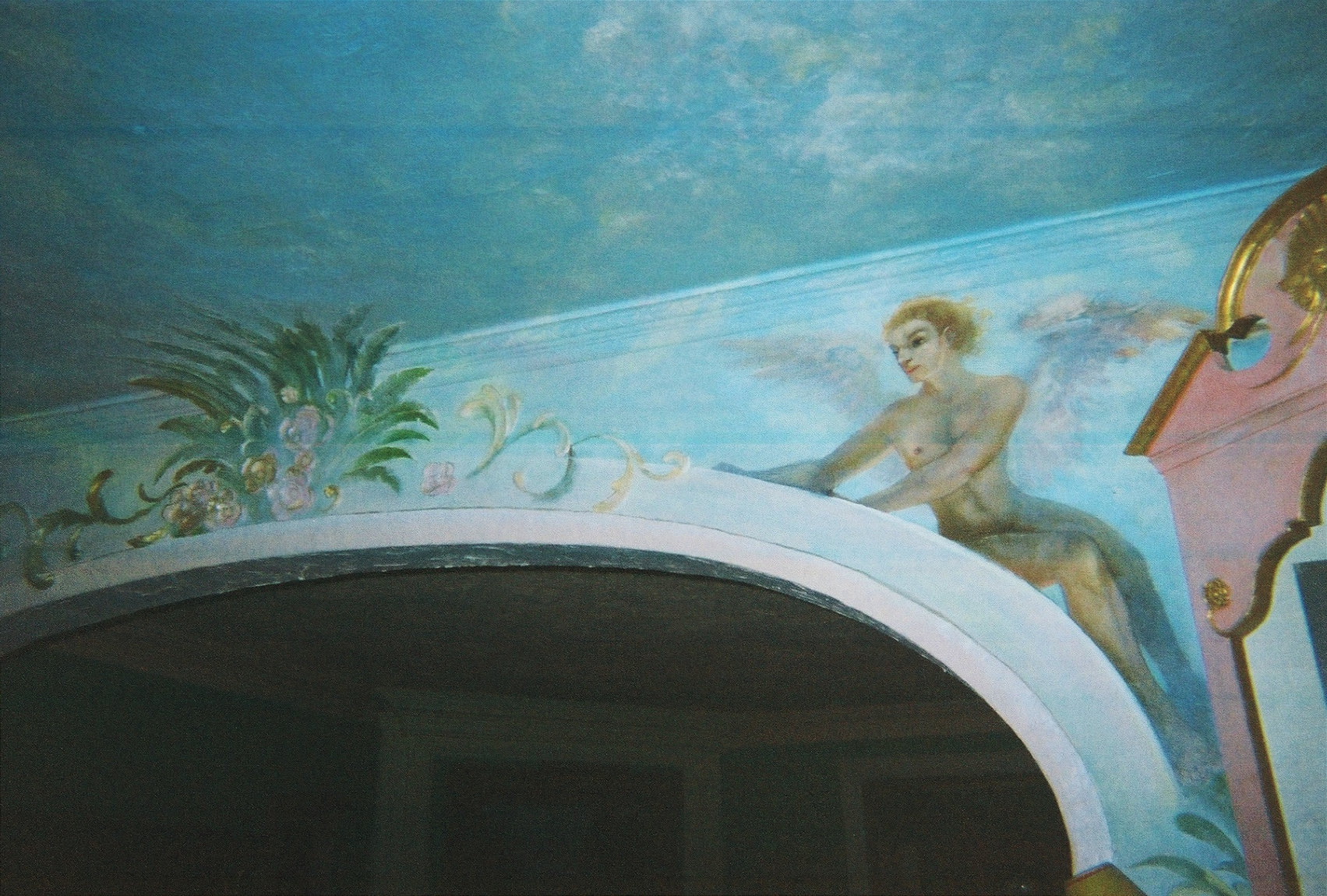
    Wall Mural (second detail of William Girard's dining room)
    Wall Mural (second detail of William Girard's dining room)
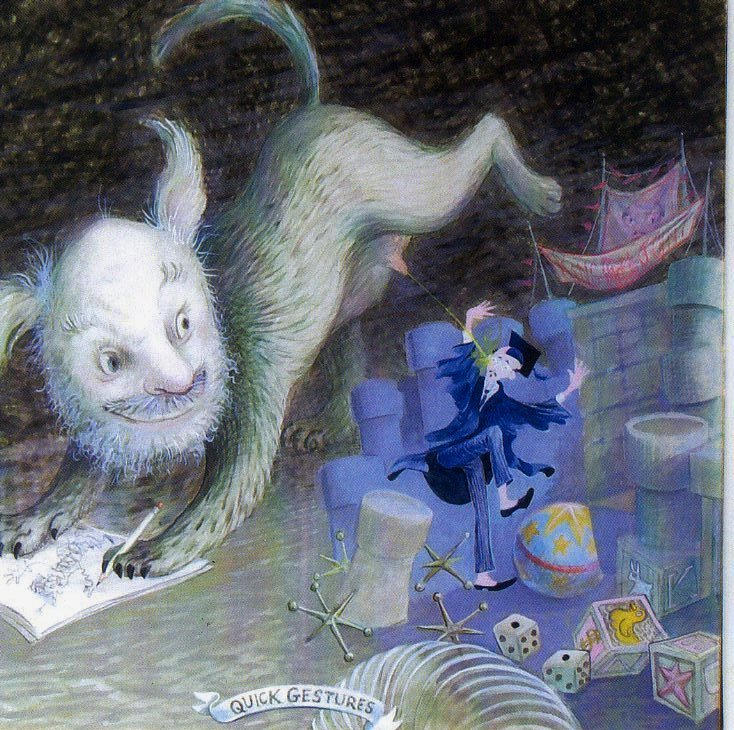
    Quick Gestures by William Girard
    Quick Gestures by William Girard
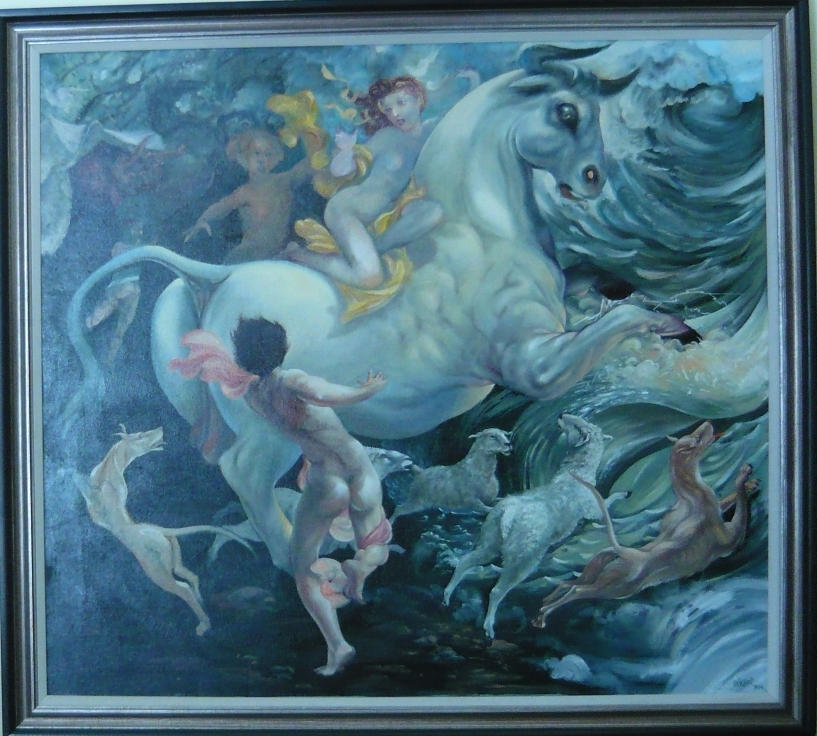
    Abduction of Europa
Artist: William Girard
Oil on Canvas (?)
    Abduction of Europa Artist: William Girard Oil on Canvas (?)
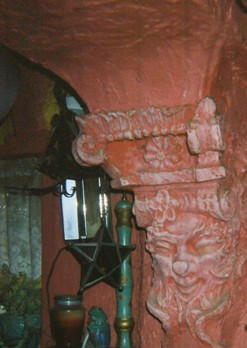
    The Kitchen Spirit
Artist: William Girard
Plaster 
Note: This piece was built into the wall of the artist's kitchen.
    The Kitchen Spirit Artist: William Girard Plaster Note: This piece was built into the wall of the artist's kitchen.
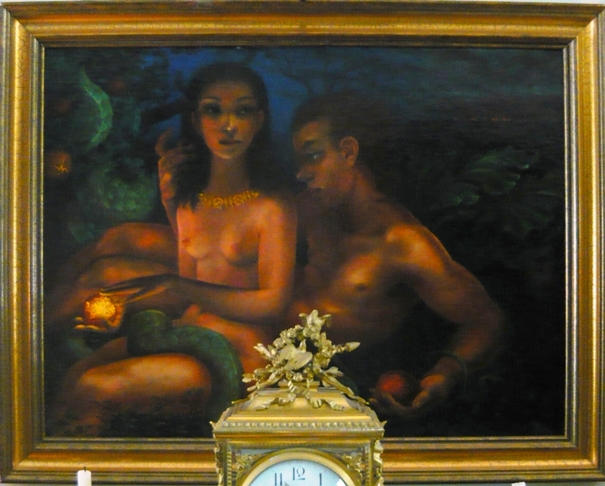
    Adam and Eve
Artist: William Girard
Oil on Canvas (?)
    Adam and Eve Artist: William Girard Oil on Canvas (?)
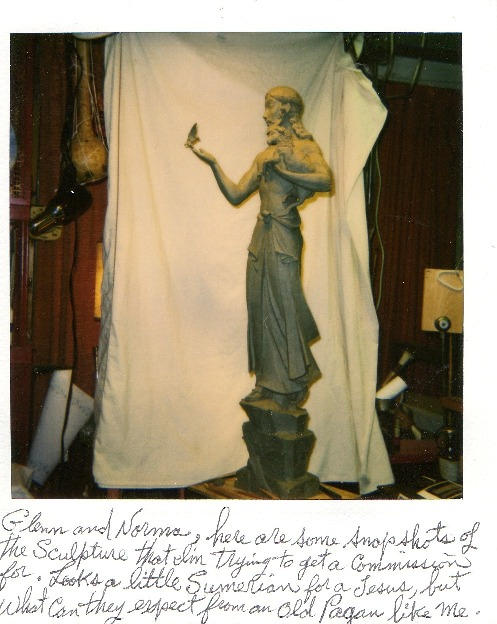
    Jesus
Artist: William Girard
Clay (Work in Progress)
Polaroid snapshot by the artist with note
    Jesus Artist: William Girard Clay (Work in Progress) Polaroid snapshot by the artist with note
    Portrait of the Artist's Son by William Girard
    Portrait of the Artist's Son by William Girard
    The Chinoiserie Magician (detail #2) by W Girard
    The Chinoiserie Magician (detail #2) by W Girard
    Eden
Artist: William Girard
Oil on Canvas  
16 x 20 in
    Eden Artist: William Girard Oil on Canvas 16 x 20 in
    Semprevivo Murals #5 of 8
    Semprevivo Murals #5 of 8
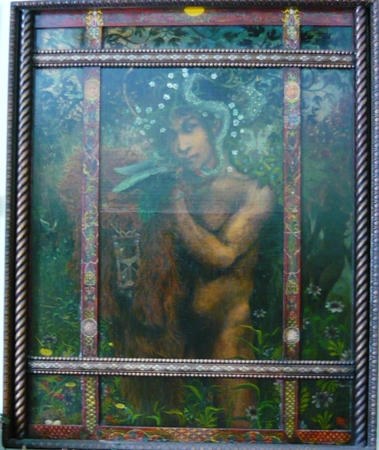
    Adam 
Artist: William Girard
Oil on Panel  1967
44 x 39.5 in.
Note: The upper portion -- with the portrait -- was painted first, then the body was as added, as can be seen where the panel meets.  The other panels were added and covered by the frame that subdivides the picture.  “Frames give paintings houses to live in.  I build the hoses to suit the paintings.”  “Sometimes the paintings grow and I add on.  Sometimes the painting is too large and needs to be cut down.” (Notes provided courtesy of Michael Curtis.)
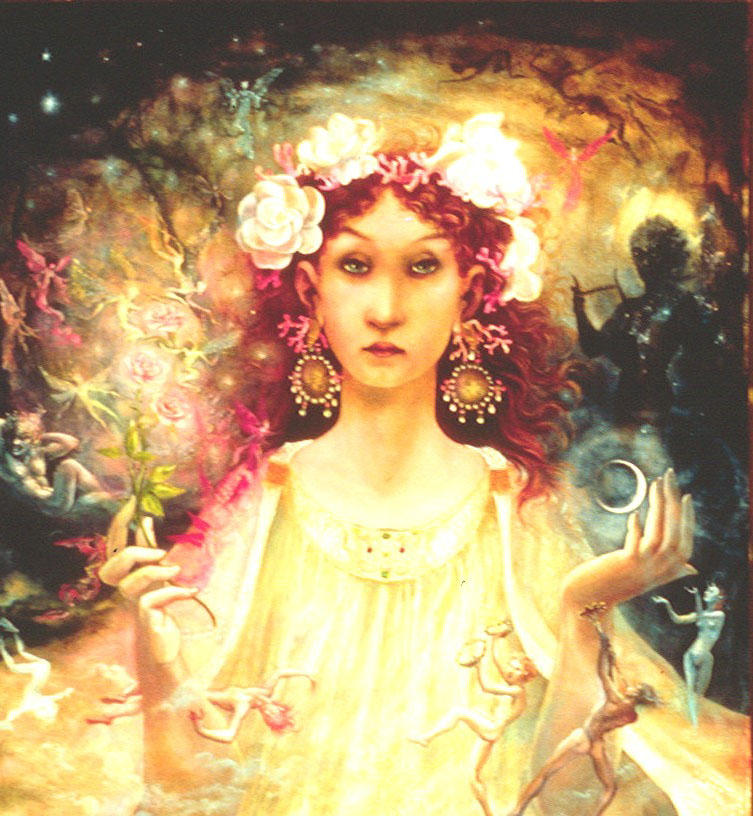
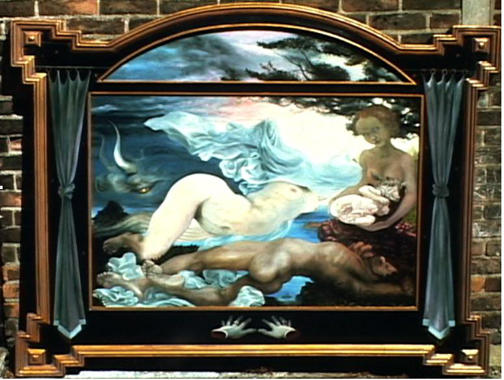
    Adam Artist: William Girard Oil on Panel 1967 44 x 39.5 in. Note: The upper portion -- with the portrait -- was painted first, then the body was as added, as can be seen where the panel meets. The other panels were added and covered by the frame that subdivides the picture. “Frames give paintings houses to live in. I build the hoses to suit the paintings.” “Sometimes the paintings grow and I add on. Sometimes the painting is too large and needs to be cut down.” (Notes provided courtesy of Michael Curtis.)
    Adam (Detail)
Artist: William Girard 
Oil on panels 1967
    Adam (Detail) Artist: William Girard Oil on panels 1967
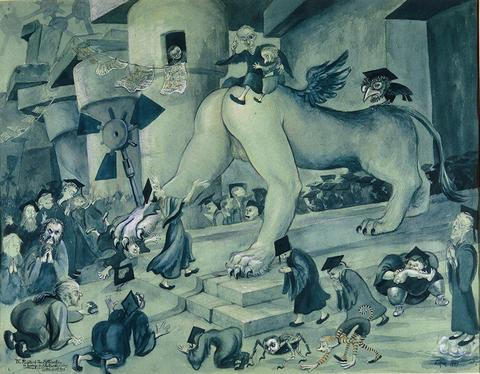
    The Riddle of the Sphincter by William Girard (pen, ink, watercolor)
    The Riddle of the Sphincter by William Girard (pen, ink, watercolor)
    The Chinoiserie Magician (detail) by W Girard
    The Chinoiserie Magician (detail) by W Girard
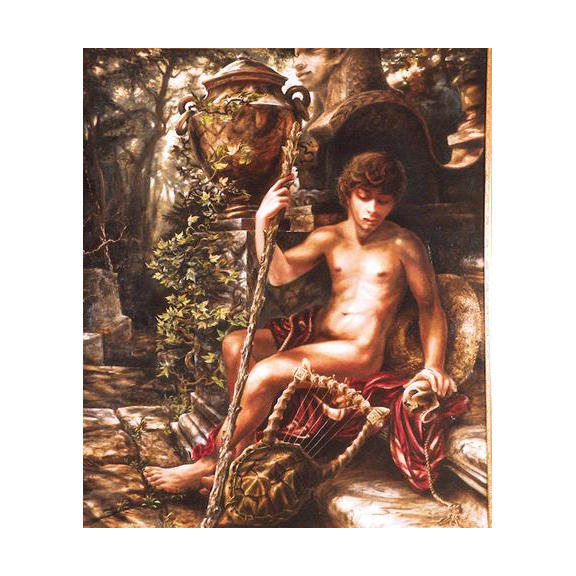
    Orpheus by William Girard
    Orpheus by William Girard
    Untitled Sketch.
Artist: William Girard. 1981.
Oil on Board. Signed on back.
    Untitled Sketch. Artist: William Girard. 1981. Oil on Board. Signed on back.
    Amron
Artist: William Girard
Oil on Canvas Circa 1963
Collection of Allan Abramson

This is the first painting that Girard sold to Abramson. "Amron" is Norma spelled backward. I believe this painting to be a response by Girard to the famous tragic opera, Norma, about a Druid priestess who has born children to a handsome Roman, the enemy of her people.
    Amron Artist: William Girard Oil on Canvas Circa 1963 Collection of Allan Abramson This is the first painting that Girard sold to Abramson. "Amron" is Norma spelled backward. I believe this painting to be a response by Girard to the famous tragic opera, Norma, about a Druid priestess who has born children to a handsome Roman, the enemy of her people.
    Semprevivo Murals #4 of 8
    Semprevivo Murals #4 of 8
    Abduction of Europa by W Girard 3' x 3'6  1974-78
    Abduction of Europa by W Girard 3' x 3'6 1974-78
    Semprevivo Murals #1 of 8
    Semprevivo Murals #1 of 8
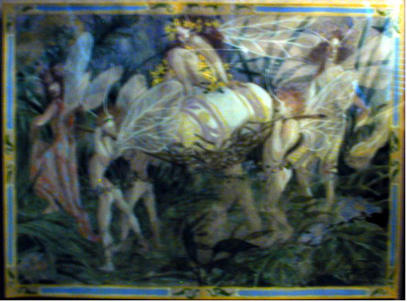
    Fairies on Egg by W Girard (1973)
    Fairies on Egg by W Girard (1973)
    Gulliver by William Girard
    Gulliver by William Girard
    Decorative Head by William Girard
    Decorative Head by William Girard
    Persus & Andromeda by William Girard
    Persus & Andromeda by William Girard
    Fire and Ice by William Girard
    Fire and Ice by William Girard
    Classical Fantasy
Oil painting with gesso elements (1973)
Artist: W Girard 
Originally collection of Allen Abramson
    Classical Fantasy Oil painting with gesso elements (1973) Artist: W Girard Originally collection of Allen Abramson
    Floating couple with Saint Barbara by William Girard
    Floating couple with Saint Barbara by William Girard
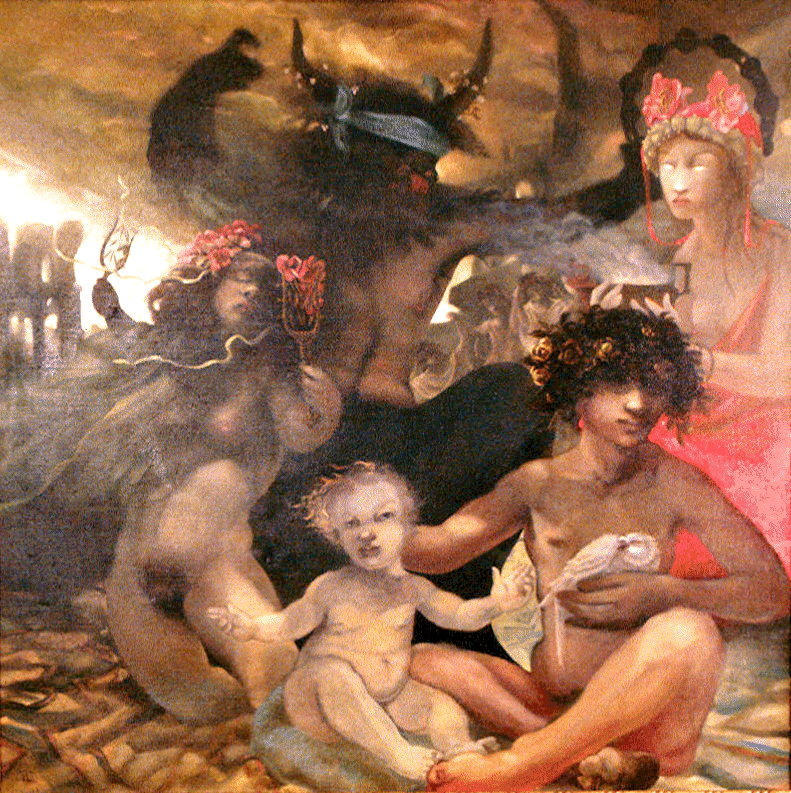
    Birth of the Minotaur
    Birth of the Minotaur
    Semprevivo Murals #2 of 8
    Semprevivo Murals #2 of 8
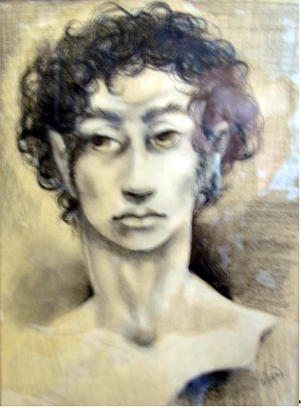
    Man with dark hair by William Girard
    Man with dark hair by William Girard
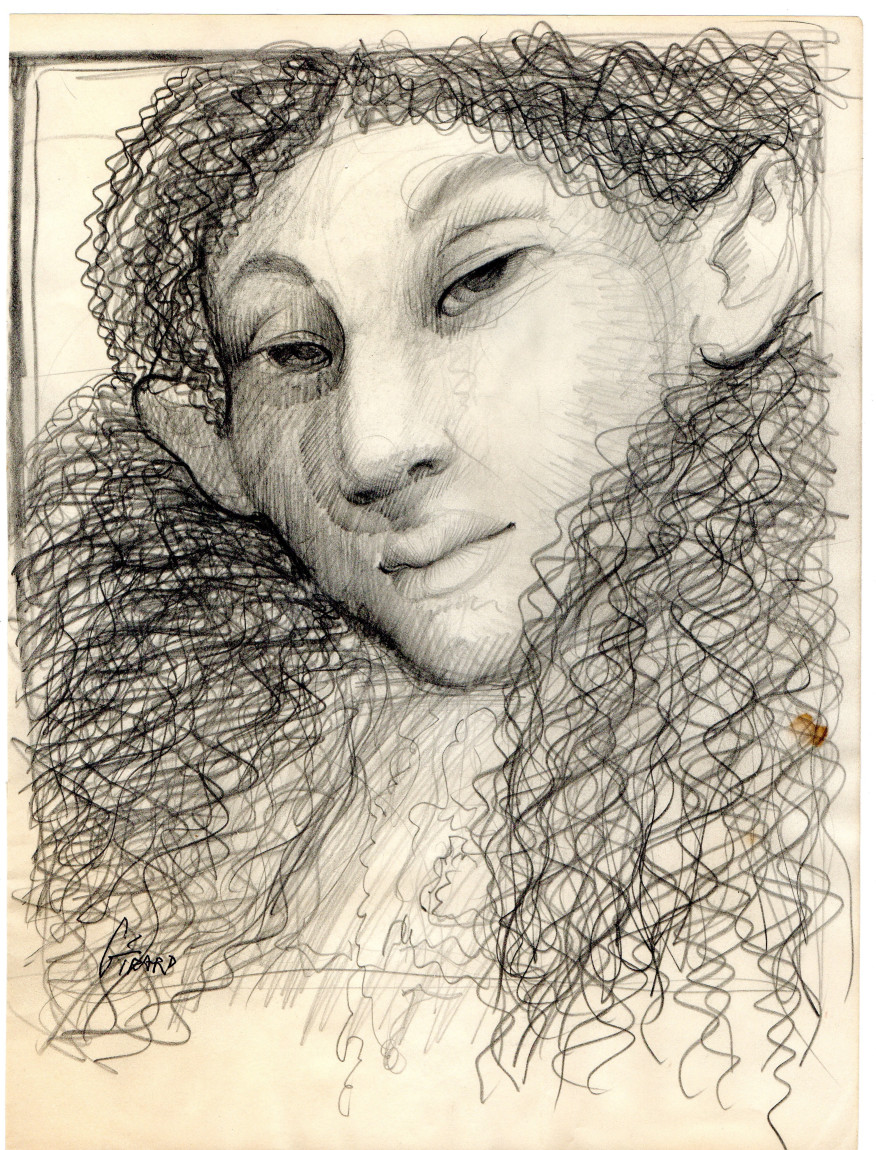
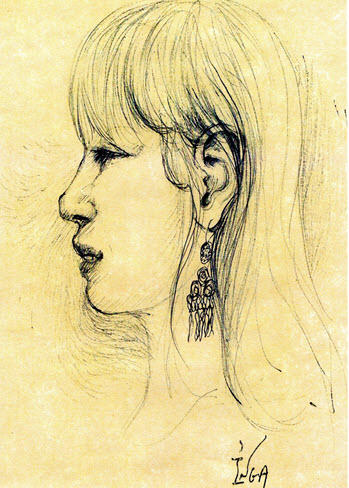
    Drawing of Inge Girard (profile view looking left), daughter of the artist. Image taken from photocopy provided by Allen Abramson.
    Drawing of Inge Girard (profile view looking left), daughter of the artist. Image taken from photocopy provided by Allen Abramson.
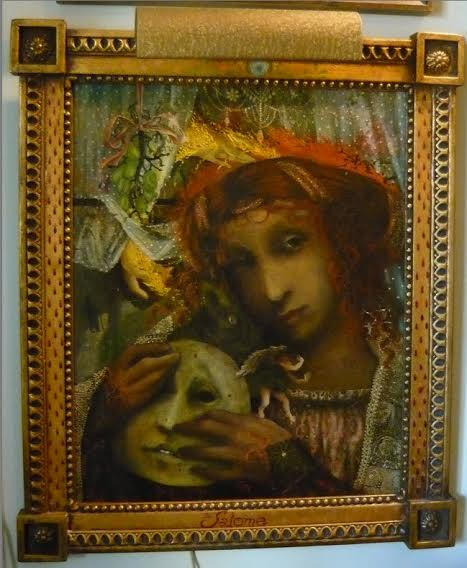
    St.Salome
Oil painting on wood panel. 16 x 20 inches
Artist: William Girard.
Formerly collection of Allen Abramson
    St.Salome Oil painting on wood panel. 16 x 20 inches Artist: William Girard. Formerly collection of Allen Abramson
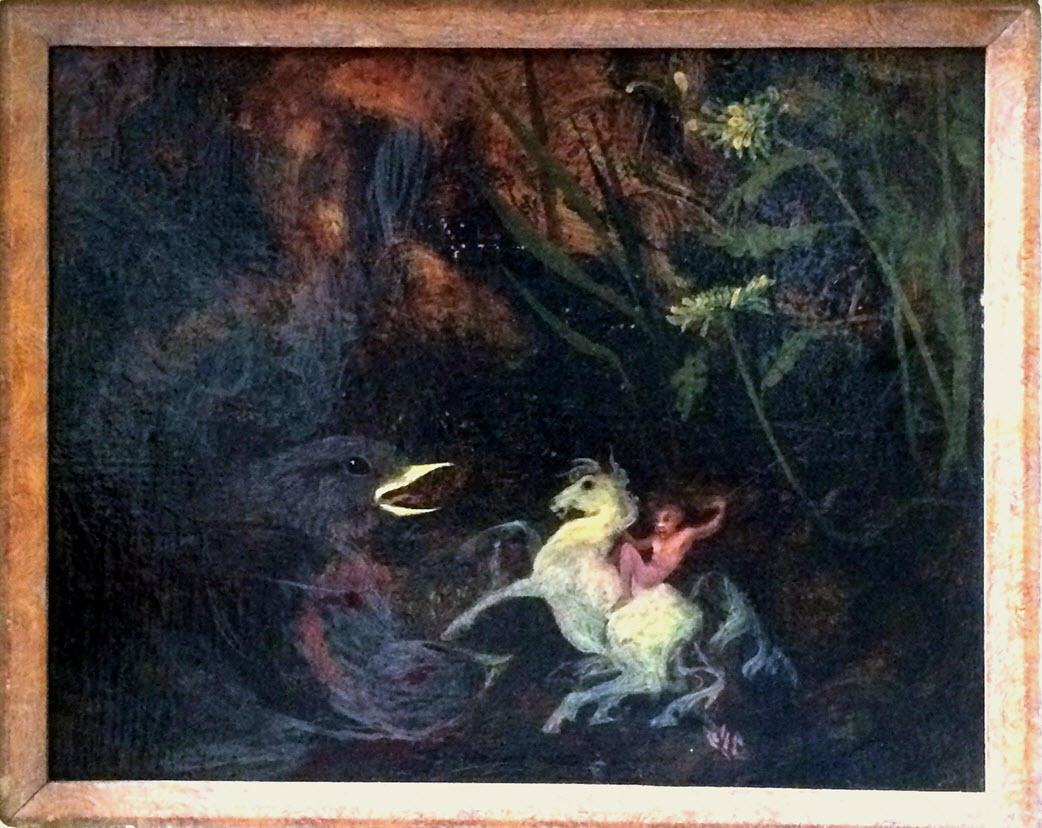
    Title: Horseman Battling Bird
Media: Oil paint on wood panel
Dimensions: 8 x 10"
Artist: William Girard
Originally collection of Allen Abramson (aa 252)
Photo courtesy of Ken Weikal, Farmington Hills, MI
The frame has been cropped in this digital image and the exposure and colors slightly adjusted to make the original photo image easier to read.
    Title: Horseman Battling Bird Media: Oil paint on wood panel Dimensions: 8 x 10" Artist: William Girard Originally collection of Allen Abramson (aa 252) Photo courtesy of Ken Weikal, Farmington Hills, MI The frame has been cropped in this digital image and the exposure and colors slightly adjusted to make the original photo image easier to read.
    0
    Powered by SiteKreator
    close lightbox